- 0
- 2,614 words
Choosing the right gym outfit is an important part of building a comfortable and effective workout routine. The clothes you wear can influence how freely you move, how well your body manages sweat, and how confident you feel while exercising. Whether you are lifting weights, running on a treadmill, cycling, or practising yoga, the right clothing can make your training sessions more enjoyable.
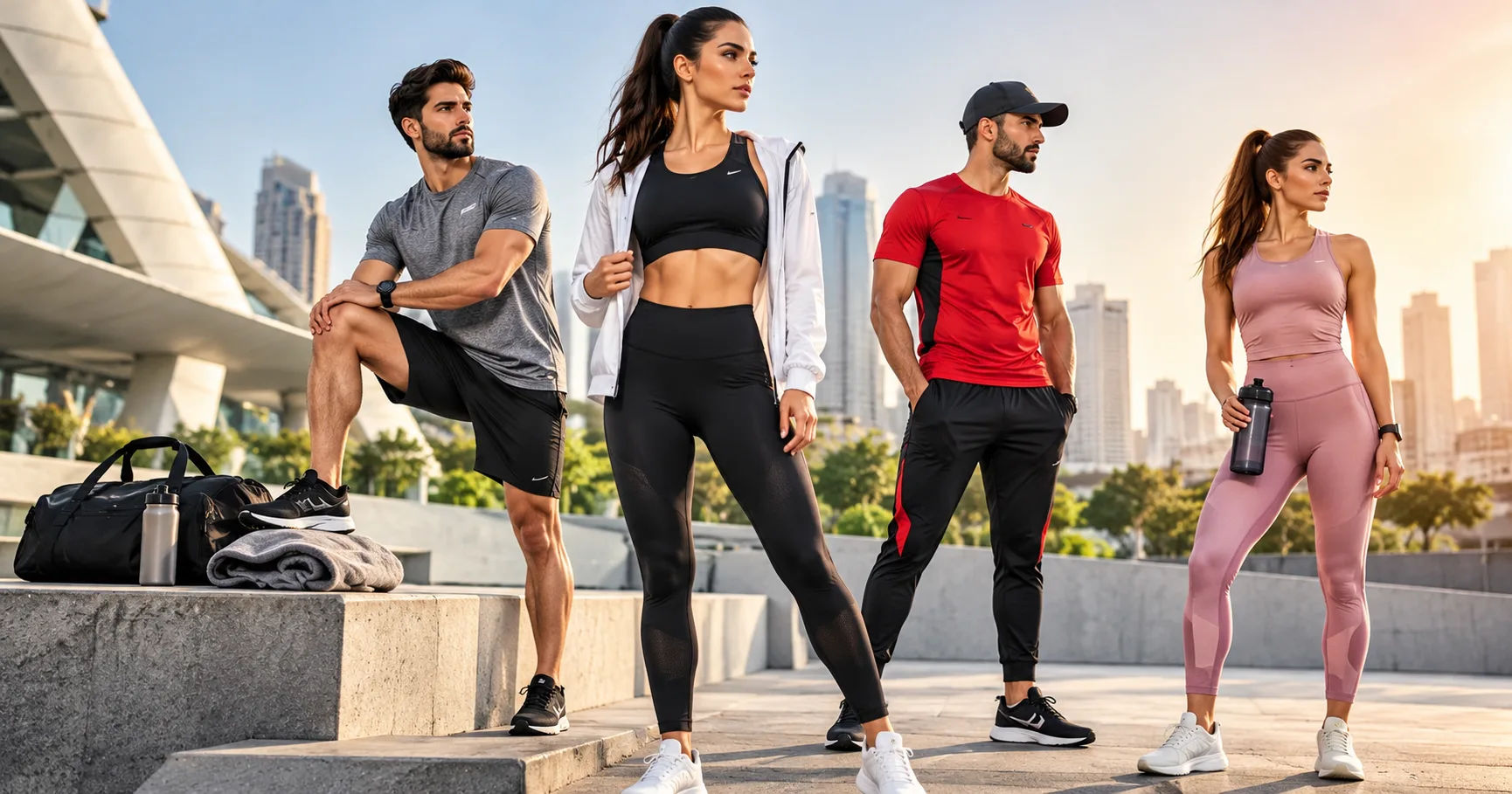
Gym clothing is available in many styles, materials, and designs. Some outfits are created for intense workouts, while others are better suited to light exercise or stretching. Understanding these differences can help you choose clothing that supports your fitness goals without spending money on unnecessary items.
In the middle of your fitness wardrobe planning, Sports Wears deserve special attention because they combine comfort, flexibility, and practical design for different types of physical activity. Selecting suitable pieces means considering fabric, fit, breathability, durability, and the movements involved in your workout.
You do not need an expensive wardrobe to exercise effectively. A few well-chosen items can provide everything you need for a balanced training routine. The goal is to find clothing that feels comfortable, supports your movements, and remains suitable for regular use.
The Importance of Proper Gym Clothing
The best workout clothing does more than improve your appearance. It helps you move comfortably, manage moisture, and concentrate on your exercises without unnecessary distractions.
When clothing is too tight, too loose, or made from unsuitable materials, it can interfere with your workout. Tight seams may cause irritation, while heavy fabrics can become uncomfortable as you sweat. Loose clothing can also get in the way during certain exercises or become caught in gym equipment.
Well-designed gym outfits Sports Wears bjj gi these problems. They allow you to focus on maintaining proper technique, completing your repetitions, and gradually improving your performance.
Comfort and Freedom of Movement
Comfort should be one of your main priorities when choosing gym clothing. Exercises such as squats, lunges, shoulder presses, and stretches require your body to move through different positions.
Clothing should allow your arms, legs, shoulders, and waist to move without pulling or restricting your range of motion. Stretchable fabrics are particularly useful for workouts that involve bending, reaching, or repeated movements.
Confidence During Training
Feeling comfortable in your outfit can also improve your overall gym experience. Clothing that fits well and suits your personal style may help you feel more confident when exercising around other people.
However, there is no single ideal appearance for gym clothing. Choose pieces that suit your body, activity level, and preferences rather than following every fashion trend.
2. Best Fabrics for Gym Training
Fabric is one of the most important factors to consider when buying gym clothing. Different materials handle sweat, heat, and movement in different ways. The best choice depends on how intensely you exercise and how much comfort you need.
According to MedlinePlus, exercise clothing should ideally help manage moisture, dry quickly, and allow unrestricted movement.
Polyester: Best for Sweaty Workouts
Polyester is a popular material for gym shirts, shorts, leggings, and training tops. Performance polyester is lightweight, durable, and often designed to move sweat away from the skin.
It dries relatively quickly, which makes it useful for running, cycling, circuit training, and high-intensity workouts. It is also easy to maintain and generally retains its shape well.
However, polyester quality varies. Some garments can retain unpleasant odours, so wash them promptly after exercise and follow the care instructions.
Nylon: Best for Softness and Flexibility
Nylon is another excellent option for workout clothing. It is known for its smooth texture, strength, and ability to stretch when blended with elastane.
Nylon blends are especially popular in leggings, fitted tops, and other garments that need to move with the body. They can feel comfortable during squats, lunges, and stretching exercises.
Although nylon garments may cost more than basic alternatives, a well-made piece can be a worthwhile investment if you train regularly.
Cotton: Best for Light Exercise
Cotton is soft, comfortable, and widely available. It can be a good option for walking, gentle stretching, warm-ups, or light strength training.
However, cotton absorbs sweat and dries more slowly than many performance fabrics. During an intense session, a cotton shirt may become heavy and cling to your skin.
If you prefer cotton, consider wearing it for low-intensity activities or choosing a cotton blend that offers additional stretch and improved moisture management.
Spandex and Elastane: Best for Stretch
Spandex, also known as elastane, is commonly blended with polyester or nylon to make workout clothing more flexible.
It helps leggings, fitted shirts, and compression garments stretch during movement and return to their original shape.
For exercises that require deep squats, lunges, or overhead movements, stretch fabrics can improve comfort. Look for garments that retain their shape without becoming transparent or excessively tight.
3. Best Gym Tops for Men and Women
A suitable gym top should provide ventilation, allow comfortable movement, and fit your preferred training style. There are several options worth considering.
Athletic T-Shirts
Athletic T-shirts are among the most versatile gym essentials. They work well for weightlifting, treadmill sessions, cycling, and general fitness exercises.
Choose a shirt with breathable fabric and sleeves that do not restrict shoulder movement. A regular or slightly fitted design is often a practical choice.
Avoid shirts that pull tightly across your chest or shoulders when you lift your arms. You should be able to complete overhead presses and other movements without constantly adjusting your clothing.
Tank Tops and Training Vests
Tank tops are useful for people who prefer more airflow around their shoulders and arms.
They can be particularly comfortable during hot-weather training or demanding workouts. A well-designed vest allows you to move freely while helping you stay comfortable.
Choose a cut that provides enough coverage for your preferred exercises. The fabric should also remain in place during bending, stretching, and lifting.
Long-Sleeved Training Tops
Long-sleeved tops are helpful for warm-ups, outdoor workouts, and exercising in cooler environments.
Lightweight versions can provide coverage without adding too much bulk. Some also feature moisture-wicking fabric, making them suitable for active training.
If you exercise in an air-conditioned gym, a lightweight long-sleeved top can be useful at the beginning of your session. You can remove it once your body warms up.
4. Best Gym Bottoms for Different Exercises
Your choice of gym bottoms should depend on the exercises you perform. The right fit can improve comfort while reducing distractions during training.
Training Shorts
Training shorts are excellent for weightlifting, cardio, and general fitness routines.
Look for lightweight materials, a comfortable waistband, and enough room to move your legs freely. Shorts that are too long or loose may interfere with certain exercises, while overly tight designs can restrict movement.
For running and high-intensity training, choose shorts that dry quickly and remain comfortable as you sweat.
Workout Leggings
Leggings are popular for strength training, yoga, Pilates, cycling, and other activities that require flexibility.
They should stretch comfortably without sliding down or creating excessive pressure around your waist. The material should provide adequate coverage during squats, lunges, and bending movements.
Before purchasing, try a few basic movements if possible. Check that the fabric remains opaque when stretched and that the waistband stays secure.
Joggers and Training Pants
Joggers are useful for warm-ups, cooler gyms, and outdoor exercise.
Choose lightweight versions for training rather than heavy casual sweatpants. A tapered design can help prevent loose fabric from getting in the way.
If you perform exercises involving machines or moving equipment, ensure that your trousers are secure and do not have loose hems that could become caught.
5. Sports Bras and Supportive Undergarments
Supportive undergarments are essential parts of a comfortable workout outfit. They can reduce movement-related discomfort and help you concentrate on exercising.
Choosing the Right Sports Bra
A sports bra should provide support appropriate to your activity. Low-impact exercise may require less support than running, jumping, or high-intensity interval training.
Look for adjustable straps, a comfortable band, and breathable fabric. The garment should feel secure without making breathing difficult or causing painful pressure.
Try moving your arms, bending, and walking in place when checking the fit. If the bra rides up, digs into your skin, or causes discomfort, consider a different size or design.
Choosing Comfortable Underwear
Underwear should fit properly and reduce friction during movement.
Breathable, moisture-managing materials can be helpful for longer sessions. Seam placement also matters because thick seams may rub against the skin during repetitive exercises.
Choose pieces that stay in place and feel comfortable throughout your workout.
6. Choosing the Right Gym Shoes and Socks
Gym shoes are just as important as clothing because different exercises place different demands on your feet.
Cross-Training Shoes
Cross-training shoes are designed for a range of gym activities. They often provide a balance of stability, cushioning, and flexibility.
They can be suitable for circuit training, moderate cardio, and general fitness sessions.
If your routine includes a mixture of strength exercises and short cardio intervals, cross-training shoes may be a practical option.
Running Shoes
Running shoes are designed primarily for forward movement and repeated impact during running.
They are often suitable for treadmill sessions and outdoor jogging. However, highly cushioned running shoes may not provide the stable platform some people prefer for heavy lifting.
If running is your main activity, choose shoes that fit securely and feel comfortable throughout your usual distance.
Weightlifting Shoes
Weightlifting shoes often feature a firm sole and a stable base. Some include a raised heel to support specific lifting positions.
They can be useful for people who regularly perform structured weightlifting exercises. Beginners do not necessarily need specialist shoes immediately, though.
Choose footwear according to your training needs, comfort, and experience.
Why Socks Matter
Good athletic socks help manage moisture and reduce friction. A comfortable fit can lower the chance of blisters during running and other repetitive activities.
Avoid socks that bunch up inside your shoes. Change out of damp socks after training and allow your footwear to dry properly.
7. Which Sports Wears Are Best for Different Workouts?
The best outfit depends on the type of training you do. Instead of buying the same clothing for every activity, choose items that meet the specific demands of your routine.
Clothing for Weightlifting
Weightlifting requires clothing that allows you to move your shoulders, hips, and knees freely.
A breathable T-shirt paired with shorts or flexible training trousers is a reliable combination. Avoid excessively loose clothing that may interfere with equipment or make it harder to observe your technique.
For regular lifting sessions, durability and comfort should be more important than fashionable details.
Clothing for Cardio and HIIT
Cardio and high-intensity interval training often produce more sweat than lighter exercise.
Choose lightweight, quick-drying materials that remain comfortable during repeated movements. Secure waistbands, supportive footwear, and properly fitted tops can also reduce distractions.
If you train in a warm environment, prioritise ventilation and avoid unnecessary layers.
Clothing for Yoga and Stretching
Yoga requires clothing that stretches easily and stays in place as you bend, twist, and reach.
Flexible leggings, fitted tops, and comfortable sports bras are practical choices. Avoid garments that slide down, bunch around your waist, or require frequent adjustment.
Your clothing should allow you to focus on balance, breathing, and correct positioning.
8. How to Choose Gym Clothing on a Budget
You do not need expensive brands to build a useful workout wardrobe. Many affordable garments provide excellent comfort if you pay attention to their materials, fit, and construction.
Start with a few essentials: two or three breathable shirts, a couple of suitable bottoms, comfortable socks, and appropriate gym shoes. Add specialist items as your training routine develops.
Focus on Quality Rather Than Brand Names
Before purchasing, examine the stitching, waistband, seams, and fabric thickness. These details can tell you more about a garment's usefulness than a prominent logo.
Read the fabric label and look for information about moisture management and stretch. If shopping online, review the size chart and return policy.
A moderately priced garment that fits well and lasts through regular washing can offer better value than an expensive item that feels uncomfortable.
Build a Practical Colour Collection
Neutral colours such as black, navy, grey, and white are easy to combine. You can also choose brighter colours if they suit your personal style.
A simple collection of coordinating items makes it easier to prepare outfits without buying too many pieces.
9. Common Mistakes to Avoid When Buying Gym Clothing
Even attractive clothing can be unsuitable for exercise if it does not meet your practical needs.
Choosing Style Over Comfort
Fashionable designs may look appealing, but discomfort can distract you during a workout.
Always consider how clothing feels when you bend, stretch, walk, or lift. If a garment repeatedly shifts or causes irritation, it may not be the right choice.
Buying the Wrong Size
Clothing that is too tight can restrict movement, while excessively loose items may interfere with exercises.
Check the fit around your shoulders, waist, hips, and legs. Remember that sizing varies between brands, so do not rely on the size printed on the label alone.
Ignoring Fabric Quality
Some fabrics feel comfortable in a fitting room but become unpleasant after prolonged sweating.
For intense exercise, look for breathable materials designed to manage moisture. Cotton can still be suitable for light sessions, but it may be less comfortable during demanding workouts because it dries slowly.
Waring Dirty Workout Clothes
Sweaty clothing can develop unpleasant odours and cause skin irritation, particularly when worn repeatedly without washing.
Change after training, wash workout clothing according to its care label, and allow it to dry fully before storing it.
10. How to Maintain Your Gym Wardrobe
Proper care helps workout clothing maintain its fit, appearance, and useful life.
Wash sweaty garments soon after exercise whenever possible. Follow the washing instructions on the label, and avoid using excessive heat if the material is sensitive to high temperatures.
Turning garments inside out before washing can help clean the areas that come into direct contact with your skin. Avoid fabric softener when the garment's care instructions recommend against it, particularly for some performance fabrics.
Dry clothes thoroughly before putting them away. Storing damp garments in a closed gym bag can lead to unpleasant smells.
Inspect your clothing occasionally for stretched waistbands, thinning fabric, damaged seams, and worn-out elastic. Replace items when they no longer fit properly or provide the comfort and support you need.
Conclusion
The best gym clothing combines comfort, flexibility, breathability, and durability. There is no single outfit that works perfectly for everyone because different exercises place different demands on your body.
For most intense workouts, moisture-wicking polyester or nylon blends are excellent starting points. Stretch fabrics containing elastane are useful for exercises that involve bending and stretching, while cotton remains a comfortable option for lighter activities. The most suitable material depends on your training intensity, personal preferences, and the environment in which you exercise.
Choosing the right tops, bottoms, undergarments, socks, and footwear can also improve your overall gym experience. Weightlifters may prefer flexible shirts and stable footwear, while runners benefit from lightweight clothing and appropriate running shoes. People practising yoga or Pilates may find stretchable, well-fitting outfits more comfortable.
When shopping, focus on fit and function instead of purchasing items simply because they are fashionable or expensive. A small collection of reliable essentials is often enough to support a regular exercise routine. Remember to wash your clothes properly, replace worn-out pieces, and choose outfits that allow you to move confidently.
Ultimately, Sports Wears should support your fitness journey rather than distract you from it. By selecting suitable fabrics, comfortable designs, and activity-specific clothing, you can create a practical gym wardrobe that meets your needs and helps you approach every training session with greater confidence.
Author
