- 0
- 2,782 words
Milk powder is a convenient dairy product that allows people to enjoy the benefits of milk without worrying about daily refrigeration before opening. It is commonly used in households, bakeries, restaurants, tea, coffee, desserts, and many other recipes. However, like other food products, milk powder does not stay fresh forever. Its shelf life depends on the manufacturing process, packaging quality, storage temperature, moisture exposure, and handling practices.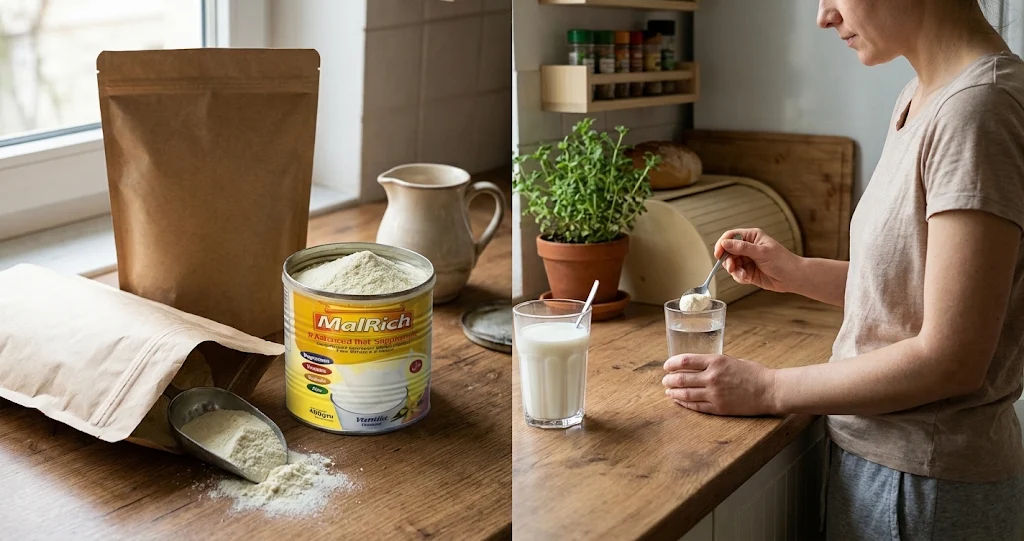
Understanding how long milk powder stays fresh is important for maintaining its taste, nutritional value, and safety. Whether you purchase a small packet for everyday use or a larger supply for your family, knowing how to store it properly can help prevent unnecessary waste. Products such as mal rich milk powder can be a convenient addition to everyday kitchens when stored according to their packaging instructions and used within the recommended period.
Milk powder can remain usable for months or even years under suitable conditions, but its quality gradually changes over time. Knowing the difference between an unopened package and an opened container can help you make better storage decisions. This comprehensive guide explains milk powder shelf life, signs of spoilage, storage methods, and practical ways to keep it fresh for longer.
The Shelf Life of Milk Powder
Milk powder is produced by removing most of the water from liquid milk through a drying process. Removing moisture helps reduce the conditions that allow many microorganisms to grow. It also makes milk powder easier to transport, store, and use.
However, removing water does not make milk powder completely immune to spoilage. Exposure to moisture, air, heat, and sunlight can gradually affect its quality.
The shelf life depends on the type of milk powder, its ingredients, processing method, and packaging.
How Long Does Unopened Milk Powder Last?
Unopened milk powder generally has a longer shelf life than an opened package because its original packaging protects it from environmental exposure.
Depending on the product, processing method, and manufacturer's recommendations, unopened milk powder may remain suitable for approximately 12 to 24 months when stored correctly.
Some specially processed products may have different shelf-life periods. Therefore, checking the manufacturer's expiry date is essential.
A sealed package should be kept in a cool, dry location away from direct sunlight. Avoid placing it near ovens, stoves, or other appliances that produce heat.
How Long Does Opened Milk Powder Last?
Once a package is opened, milk powder becomes more exposed to air and moisture. These conditions can gradually affect its texture, flavour, and freshness.
Many manufacturers recommend using opened milk powder within a few weeks to a few months, depending on the product and storage instructions.
Always check the label for specific recommendations.
After opening, transfer the powder into a clean, dry, airtight container if the original packaging cannot be securely resealed. Close the container immediately after taking out the required amount.
Factors That Affect Milk Powder Freshness
Milk powder freshness depends on several environmental and handling factors. Understanding these factors makes it easier to protect the product and avoid unnecessary spoilage.
Exposure to Moisture
Moisture is one of the biggest threats to milk powder freshness. Although the powder contains very little water, it can absorb moisture from the surrounding environment.
When moisture enters the package, the powder may develop lumps, become sticky, or experience changes in texture.
Excessive moisture can also create conditions that support microbial growth.
Always use a completely dry spoon when measuring milk powder. Never introduce a wet spoon into the container, even if you are preparing a drink or recipe.
Temperature Changes
Temperature plays an important role in maintaining food quality. Milk powder generally stays fresher when stored at a stable, moderate room temperature.
High temperatures can accelerate chemical reactions that affect flavour, colour, and nutritional quality.
For example, keeping milk powder inside a hot kitchen cabinet near an oven may reduce its quality more quickly.
Choose a storage location that remains relatively cool throughout the day.
Exposure to Air
Air contains oxygen, which can contribute to oxidation in milk powder. This process may gradually change its flavour and aroma.
Products containing higher amounts of milk fat can be particularly sensitive to oxidation.
Keeping the package tightly sealed helps limit unnecessary air exposure.
Sunlight and Light Exposure
Direct sunlight can increase the temperature of a package and contribute to quality deterioration.
Light exposure may also affect certain nutrients and other components of milk powder.
For better protection, store milk powder inside an opaque container or keep its original packaging inside a closed cupboard.
Best Ways to Store Milk Powder
Proper storage is one of the easiest ways to maintain milk powder quality. A few simple habits can help protect the product from moisture, heat, and contamination.
Use an Airtight Container
An airtight container helps protect milk powder from humidity and surrounding odours.
Choose a food-grade container with a secure lid. Make sure it is completely clean and dry before adding the powder.
If you prefer keeping the powder in its original packaging, ensure the packet is properly sealed after every use.
Avoid leaving the container open on a kitchen counter for extended periods.
Keep It in a Cool and Dry Place
A pantry or kitchen cupboard away from heat sources is usually a suitable storage location.
Avoid storing milk powder beside:
-
Cooking stoves.
-
Ovens and microwaves.
-
Dishwashers.
-
Windows receiving direct sunlight.
-
Areas exposed to steam or water.
A dry storage environment helps reduce the risk of moisture absorption.
Avoid Frequent Container Opening
Every time you open a milk powder container, fresh air and environmental moisture can enter.
Although opening the container occasionally is unavoidable, reducing unnecessary exposure can help preserve quality.
Measure the required amount quickly and close the lid immediately.
For households that use milk powder regularly, keeping a smaller quantity in a daily-use container and storing the remaining supply securely can be helpful.
Can Milk Powder Be Stored in the Refrigerator?
Refrigeration is not always necessary for unopened milk powder. In many cases, a cool and dry cupboard is more suitable because refrigerators contain moisture and can cause condensation.
When cold milk powder is exposed to warmer air, moisture may collect on the powder or inside its packaging.
This can increase the risk of clumping and spoilage.
When Is Refrigeration Appropriate?
Some manufacturers may recommend refrigeration after opening, depending on the specific formulation and packaging.
If the product label recommends refrigeration, follow those instructions carefully.
Always use an airtight, moisture-resistant container to protect the powder.
Avoid repeatedly moving the container between the refrigerator and room temperature because temperature changes may encourage condensation.
Can Milk Powder Be Frozen?
Freezing is generally unnecessary for ordinary milk powder because its low moisture content already supports a relatively long shelf life.
Freezing may also introduce condensation when the container is removed and opened before reaching room temperature.
If a manufacturer specifically provides freezing instructions, follow them.
For most households, proper airtight storage in a cool, dry cupboard is a simpler option.
Signs That Milk Powder Has Gone Bad
Milk powder does not always show obvious signs of spoilage immediately. Therefore, it is important to check its appearance, smell, texture, and storage history before using it.
Unusual Smell
Fresh milk powder generally has a mild, familiar dairy aroma.
If it develops a sour, rancid, musty, or unpleasant smell, its quality may have deteriorated.
A strong unusual odour is a reason to avoid using the product.
Changes in Colour
Milk powder usually has a consistent cream or pale yellow appearance, depending on its formulation.
If you notice unusual dark spots, discolouration, or visible mould, do not use it.
Changes in colour may indicate improper storage or product deterioration.
Lumps and Sticky Texture
Small lumps can sometimes form because of humidity or compression.
However, large, hard, sticky, or damp clumps may indicate moisture exposure.
If the powder has become unusually wet or its texture has changed significantly, it is safer to discard it.
Mould or Insect Activity
Visible mould, insects, larvae, or web-like material are clear warning signs.
Never try to remove the affected portion and use the remaining powder.
Discard the entire contaminated package and clean the storage container or cupboard before storing another product.
Does Expired Milk Powder Become Unsafe?
An expiry or best-before date provides important information about the expected quality and safety of a product.
However, the meaning of the date depends on the manufacturer's labelling system and the applicable food regulations.
A best-before date generally relates to expected quality under recommended storage conditions. An expiry or use-by date may have a stronger safety significance.
Understanding Best-Before Dates
Milk powder stored correctly in an unopened package may sometimes retain acceptable quality beyond its best-before date.
However, this does not guarantee that it is safe or suitable to consume.
Packaging damage, moisture exposure, heat, and contamination can shorten its usable life.
Always follow the manufacturer's instructions rather than relying only on appearance.
Should You Use Milk Powder After Its Expiry Date?
It is best to follow the date and instructions printed on the packaging.
If the product is past its stated expiry date, avoid using it, particularly if the packaging has been opened or storage conditions are uncertain.
Even when milk powder looks normal, some forms of deterioration may not be immediately visible.
Food safety should always come before avoiding waste.
How to Maintain the Quality of Mal Rich Milk Powder
Choosing suitable storage practices is important when purchasing any milk powder product.
If you regularly use mal rich milk powder, paying attention to packaging, handling, and storage can help maintain its expected quality.
Check the Packaging Before Purchase
Always examine the package before purchasing milk powder.
Look for signs of damage, including:
-
Torn or punctured packaging.
-
Broken seals.
-
Unusual swelling.
-
Visible moisture.
-
Damaged lids or closures.
Avoid purchasing packages that appear compromised.
Also check the manufacturing and expiry dates to understand how much of the recommended shelf life remains.
Follow the Manufacturer's Instructions
Different milk powder products may have different formulations and storage requirements.
Some may contain additional ingredients that influence their shelf life.
Read the label carefully and follow the recommended storage temperature, handling instructions, and consumption period after opening.
Buy According to Your Household Needs
Purchasing large quantities may seem economical, but it is not always practical if your household uses milk powder slowly.
Choose package sizes that match your regular consumption.
Smaller packages can reduce the amount of product exposed to air and moisture after opening.
This approach can help maintain freshness and prevent unnecessary food waste.
How Long Does Prepared Milk Last?
Milk powder and prepared milk have very different storage requirements.
Once you mix milk powder with water, the product becomes more perishable because it contains moisture that supports microbial growth.
Prepared milk should not be treated like dry milk powder.
Prepared Milk at Room Temperature
Prepared milk should not remain at room temperature for extended periods.
As a general food-safety guideline, perishable foods should not be left at room temperature for more than two hours.
If the surrounding temperature is above 32°C, the recommended limit becomes one hour.
In hot weather, these limits are particularly important.
Discard prepared milk that has remained outside refrigeration beyond the recommended period.
Prepared Milk in the Refrigerator
Prepared milk should be transferred into a clean, covered container and refrigerated promptly at 4°C or below.
For best quality and safety, follow the product manufacturer's instructions and prepare only the amount you expect to use.
Do not assume that prepared milk will remain fresh for the same length of time as dry powder.
Avoid Repeated Warming
Repeatedly warming and cooling prepared milk can affect its quality and increase food-safety risks.
It is better to prepare smaller quantities and heat only what is needed.
If prepared milk has been left out for too long, refrigeration afterward does not make it safe again.
Common Mistakes That Reduce Milk Powder Shelf Life
Even a high-quality product can deteriorate quickly when handled incorrectly.
Avoiding common storage mistakes can help preserve freshness.
Using Wet Spoons
A wet spoon introduces moisture into the powder.
Always use a clean, completely dry utensil.
If possible, keep a dedicated measuring spoon near the storage container, but make sure it stays dry.
Leaving the Packet Open
Leaving milk powder exposed to air allows moisture and odours to enter.
Close the package immediately after every use.
If the original packaging cannot be sealed properly, use a suitable airtight container.
Storing Near Strong-Smelling Foods
Milk powder may absorb surrounding odours, especially when its packaging is open.
Avoid placing it beside strongly scented spices, onions, cleaning products, or other substances that may affect its aroma.
A separate closed cupboard is usually a better choice.
Ignoring Storage Instructions
Not all milk powder products are identical.
Their fat content, added ingredients, packaging materials, and processing methods may differ.
Using the same storage method for every product without checking its label can lead to avoidable quality problems.
Always follow the manufacturer's recommendations.
Does Milk Powder Lose Nutritional Value Over Time?
Milk powder provides important nutrients, including protein, carbohydrates, minerals, and vitamins.
However, its nutritional quality can gradually change during storage.
The rate of deterioration depends on the product formulation and environmental conditions.
Changes in Vitamins
Certain vitamins are sensitive to oxygen, heat, and light.
For this reason, prolonged exposure to unsuitable storage conditions may reduce the amount of some vitamins in milk powder.
Protecting the product from heat and sunlight helps maintain its nutritional quality.
Protein and Mineral Stability
Milk proteins and minerals are generally more stable during dry storage than some vitamins.
However, this does not mean they remain completely unaffected by poor storage conditions.
Moisture and heat can influence overall product quality and may affect how well the powder performs when mixed with water.
Changes in Taste and Texture
As milk powder ages, oxidation and other chemical reactions may change its flavour and aroma.
The product may develop a stale or unpleasant taste.
Even when its appearance seems normal, a noticeable change in flavour is a reason to stop using it.
Practical Tips for Buying and Managing Milk Powder
Good storage begins before the product reaches your kitchen.
Making careful purchasing decisions can help you get better value and reduce the chances of using deteriorated products.
Purchase Freshly Manufactured Products
Whenever possible, select packages with a reasonable amount of shelf life remaining.
Check manufacturing details and expiry information before making a purchase.
This is especially important when buying larger packages for occasional use.
Maintain a First-In, First-Out System
If you purchase milk powder regularly, use older packages before opening newer ones.
This simple approach helps prevent forgotten packages from remaining in cupboards for too long.
Arrange products according to their dates so that the oldest suitable package is easy to identify.
Keep Storage Areas Clean
Clean cupboards and shelves regularly.
Remove spilled powder and check for insects or signs of moisture.
A clean storage environment reduces the possibility of contamination and makes it easier to notice damaged packages.
Record the Opening Date
Writing the opening date on the container can help you track how long the product has been exposed to air.
This is particularly useful for households that purchase large packages but use milk powder occasionally.
Follow the manufacturer's recommended period after opening rather than assuming every product has the same shelf life.
Conclusion
Milk powder can stay fresh for a considerable period when it is manufactured, packaged, and stored correctly. Unopened products commonly have a shelf life of approximately 12 to 24 months, although the exact period depends on the formulation, processing method, packaging, and manufacturer's recommendations. Once opened, milk powder becomes more vulnerable to moisture, air, heat, and contamination, making proper storage even more important.
The best way to maintain freshness is to keep milk powder in a cool, dry location and protect it from direct sunlight. An airtight, food-grade container can help prevent moisture absorption and unwanted odours. Always use a dry spoon, close the container immediately after use, and avoid storing the product near heat-producing appliances.
Whether you purchase ordinary milk powder or mal rich milk powder, checking the packaging date, following storage instructions, and monitoring changes in smell, colour, and texture are essential habits. Never ignore visible mould, insect activity, unusual odours, or signs of moisture damage.
It is also important to remember that prepared milk has a much shorter usable life than dry milk powder. Once mixed with water, it should be refrigerated promptly and handled like other perishable dairy products.
Ultimately, milk powder freshness depends on more than its expiry date. Careful purchasing, suitable storage, and responsible handling all contribute to maintaining its quality. By following these practical guidelines, you can enjoy milk powder with greater confidence, reduce unnecessary waste, and make better use of your household food supplies.
Author
