- 0
- 2,886 words
Skincare has become an important part of everyday self-care. People are increasingly interested in products that help maintain healthy skin, improve hydration, and address concerns such as acne, dryness, uneven skin tone, and early signs of aging. However, choosing the right products is only one part of building an effective skincare routine. Understanding when and how to use them is equally important.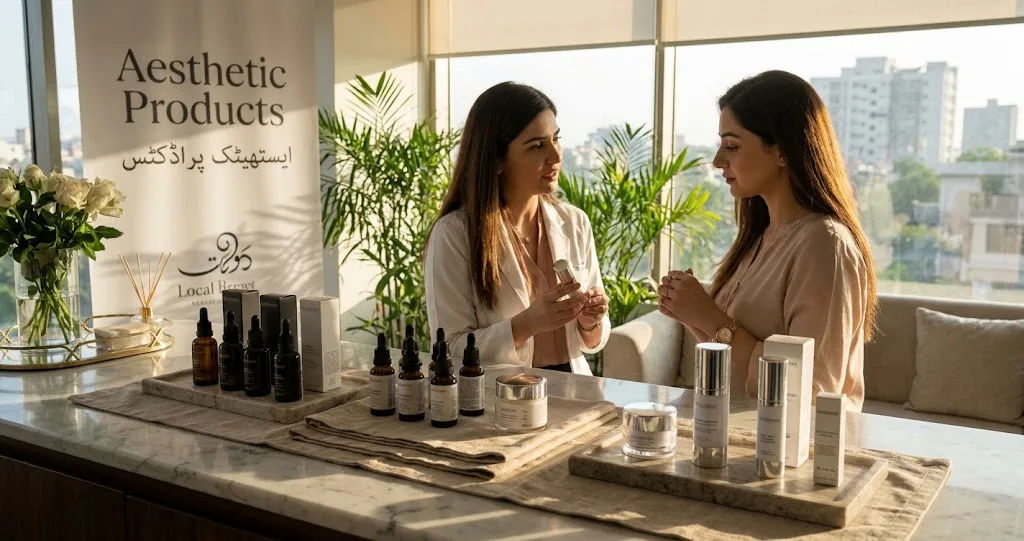
A well-planned routine does not need to include dozens of products or expensive treatments. Instead, it should focus on individual skin needs, suitable ingredients, and consistent habits. Just as people carefully evaluate Bali luxury real estate before making an investment, selecting skincare products requires thoughtful consideration of quality, suitability, and long-term value. The same principle applies to skincare: informed choices can help people avoid unnecessary purchases and build routines that work for their lifestyles.
In Pakistan, skincare needs can vary because of differences in climate, humidity, pollution, water quality, and daily activities. Products that work well for one person may not suit another. Understanding how to introduce products, combine ingredients, and maintain consistency can make skincare simpler and more effective.
This comprehensive guide explains how aesthetic skincare products can fit into a daily routine, how to choose suitable formulas, and what to consider when developing a practical approach to skin health.
Aesthetic Skincare Products
Aesthetic skincare products are designed to support skin health, improve appearance, and address specific concerns. They may include cleansers, moisturizers, sunscreens, exfoliants, serums, and specialized treatments.
These products serve different purposes. Some remove dirt and excess oil, while others help maintain hydration, support the skin barrier, or improve the appearance of uneven skin tone.
Understanding these differences makes it easier to create a routine without purchasing unnecessary products.
Cleansers for Everyday Skin Care
Cleansers remove sweat, sunscreen, excess oil, makeup, and environmental impurities from the skin. They provide the foundation for most skincare routines.
People with oily or acne-prone skin may prefer lightweight gel cleansers. Those with dry or sensitive skin often benefit from gentle, fragrance-free formulas that clean without leaving the skin feeling tight.
A cleanser should leave the skin comfortable rather than excessively dry. If the face feels irritated or unusually tight after washing, the formula may be too harsh.
Most people can cleanse their faces in the morning and evening, although individuals with very dry or sensitive skin may need a more personalized approach.
Moisturizers for Skin Hydration
Moisturizers help reduce water loss and support the skin's natural protective barrier. They can be useful for nearly every skin type, including oily skin.
People with oily skin often prefer lightweight lotions or gel moisturizers. Those experiencing dryness may benefit from richer creams containing ingredients such as glycerin, ceramides, or hyaluronic acid.
Moisturizer selection should depend on how the skin feels throughout the day. A product that provides sufficient hydration without causing discomfort is generally a better choice than one selected solely because it is popular.
Serums for Specific Skin Concerns
Serums are concentrated skincare formulations designed to address particular concerns. Depending on their ingredients, they may support hydration, improve the appearance of uneven skin tone, or reduce the visibility of certain signs of aging.
For example, niacinamide is commonly used to support the skin barrier and improve the appearance of uneven texture. Vitamin C products are often selected for antioxidant support and the appearance of brighter skin.
However, a serum is not essential for everyone. A basic routine that includes cleansing, moisturizing, and sun protection can be a sensible starting point.
How Aesthetic Products Pakistan Fit Into a Daily Routine
Building an effective routine requires more than collecting skincare products. Each product should have a clear purpose, and its place in the routine should reflect its formulation and the user's skin needs.
For consumers exploring aesthetic products pakistan, the most practical approach is to start with essential products and introduce additional treatments only when there is a specific reason to use them.
This approach helps reduce unnecessary spending and makes it easier to identify products that cause irritation.
The Morning Skincare Routine
The morning routine should prepare the skin for the day while providing hydration and protection from ultraviolet radiation.
A simple morning routine can include the following steps:
Step 1: Cleanse the skin.
Use a gentle cleanser to remove overnight oil and perspiration. If the skin is very dry or sensitive, rinsing with water may sometimes be sufficient, depending on individual needs.
Step 2: Apply a suitable serum.
If necessary, use a serum that addresses a particular concern. A hydrating serum may help with dryness, while a suitable antioxidant product may complement sun protection.
Introduce one new serum at a time to assess how the skin responds.
Step 3: Apply moisturizer.
Choose a moisturizer suited to your skin type. Even people with oily skin may benefit from moisturizing because excessive dryness can contribute to discomfort and irritation.
Step 4: Finish with sunscreen.
Use a broad-spectrum sunscreen with SPF 30 or higher. Apply enough to cover exposed skin and reapply approximately every two hours when outdoors, as well as after swimming or heavy sweating.
Sunscreen is particularly important for people concerned about uneven pigmentation, premature skin aging, and sun damage.
The Evening Skincare Routine
The evening routine focuses on removing accumulated impurities and supporting the skin barrier.
Start with a cleanser that removes sunscreen, makeup, and daily buildup. If you wear heavy makeup or water-resistant sunscreen, an appropriate first cleanser followed by a gentle facial cleanser may be helpful.
Next, apply any treatment products that suit your skin. These might include a prescribed acne treatment or a carefully selected product for uneven skin tone.
Finish with moisturizer to help maintain hydration overnight.
Avoid introducing several active ingredients at once. A simple routine makes it easier to identify irritation and understand which products provide noticeable benefits.
Choosing Products According to Your Skin Type
The most suitable skincare products depend on individual skin characteristics. A formula that works well for one person may cause dryness, breakouts, or irritation in another.
Understanding your skin type can help narrow down the available options.
Products for Oily Skin
Oily skin often produces excess sebum, which can contribute to shine and clogged pores.
Lightweight cleansers and non-comedogenic moisturizers may be useful. Ingredients such as niacinamide or salicylic acid can help some people manage oiliness and acne-related concerns.
However, stronger products are not automatically better. Excessive cleansing, frequent exfoliation, and harsh treatments may irritate the skin.
Maintaining hydration is important even when the skin produces considerable oil.
Products for Dry Skin
Dry skin may feel tight, rough, flaky, or uncomfortable, particularly after cleansing.
Cream-based moisturizers containing glycerin, ceramides, or other moisturizing ingredients may help improve comfort and support the skin barrier.
Avoid using too many exfoliating products, especially when the skin is already irritated.
People with persistent dryness, cracking, or inflammation should consider professional advice because these symptoms may indicate an underlying skin condition.
Products for Sensitive Skin
Sensitive skin may react to fragrances, harsh cleansers, exfoliating acids, or other ingredients.
Fragrance-free products with relatively simple formulations can be a useful starting point. Patch testing a new product on a small area of skin can help identify possible reactions, although it cannot guarantee that the product will never cause irritation.
Introduce products gradually and discontinue any product that causes persistent burning, swelling, or significant redness.
Products for Combination Skin
Combination skin commonly features oiliness in the forehead, nose, and chin, alongside normal or dry areas elsewhere.
A balanced approach can help address these differences. For example, a lightweight moisturizer may work across the face, while a richer product can be applied to particularly dry areas.
There is no need to use a separate product for every facial area unless a clear need exists.
Understanding Important Skincare Ingredients
Learning about skincare ingredients helps consumers make informed decisions rather than relying entirely on advertising.
Different ingredients serve different functions, and their effectiveness depends on formulation, concentration, frequency of use, and individual skin characteristics.
Hyaluronic Acid and Glycerin
Hyaluronic acid and glycerin are humectants. They help attract and retain water in the outer layers of the skin.
These ingredients are commonly found in serums, lotions, and moisturizers.
They can be particularly useful when skin feels dehydrated or lacks softness. Applying a moisturizer afterward can help reduce moisture loss.
Niacinamide
Niacinamide, a form of vitamin B3, is used in skincare products for several purposes.
It can support the skin barrier and may help improve the appearance of uneven tone and excess oil. It is available in many formulations, including moisturizers and serums.
A moderate concentration is often a sensible starting point, especially for beginners. Higher concentrations are not necessarily more effective for every individual.
Salicylic Acid
Salicylic acid is a beta hydroxy acid commonly used in products for oily and acne-prone skin.
It helps exfoliate within the pores and may reduce the buildup associated with blackheads and certain types of acne.
However, it can also cause dryness and irritation. Begin with a product intended for your skin concern, follow its instructions, and avoid combining multiple exfoliating treatments without a clear reason.
Retinoids
Retinoids include ingredients used to address acne and certain signs of skin aging.
Some are available in over-the-counter products, while others require a prescription. Their suitability depends on the specific ingredient, formulation, and user's circumstances.
Retinoids can cause dryness, peeling, and irritation, particularly when introduced too quickly.
Pregnant individuals or those planning pregnancy should avoid topical retinoids unless their healthcare professional specifically advises otherwise. Anyone considering a prescription treatment should consult a qualified healthcare professional.
Adapting Skincare to Pakistan's Climate
Pakistan has varied climatic conditions, ranging from hot and humid coastal areas to dry regions and cooler northern locations.
These differences can influence how the skin feels and which product textures are comfortable.
Managing Heat and Humidity
During hot weather, sweat and excess oil may make heavy skincare products uncomfortable.
Lightweight moisturizers, gentle cleansing, and regular sunscreen use can help maintain a practical routine.
However, sweating does not mean the skin should be repeatedly washed throughout the day. Excessive cleansing may damage the skin barrier.
After heavy sweating, gently rinse or cleanse the skin when practical, especially if sunscreen or other products need to be reapplied.
Protecting Skin From Sun Exposure
Sun exposure can contribute to sunburn, premature skin aging, and changes in pigmentation.
People who spend time outdoors should prioritize broad-spectrum sunscreen and use protective clothing, hats, and shade when possible.
Sunscreen remains important on cloudy days because ultraviolet radiation can still reach the skin.
For individuals concerned about dark spots or uneven pigmentation, consistent sun protection is often an important part of managing the appearance of these concerns.
Considering Pollution and Environmental Exposure
People living in busy urban areas may encounter dust, traffic pollution, and other environmental impurities.
Gentle evening cleansing can help remove accumulated particles and sunscreen.
There is no need to purchase a separate detoxifying product simply because pollution is present. A suitable cleanser, moisturizer, and sunscreen provide a practical foundation for everyday skin care.
How to Introduce New Products Safely
One of the most common skincare mistakes is changing an entire routine at once.
When several new products are introduced together, it becomes difficult to determine which product is helping and which may be causing a reaction.
A gradual approach is usually more practical.
Start With the Essentials
Begin with a gentle cleanser, moisturizer, and sunscreen.
Use these consistently before adding specialized treatments. This allows you to understand your skin's basic needs and establish a routine that is easy to maintain.
Once the essentials are working well, consider introducing one additional product to address a specific concern.
Patch Test New Formulations
Apply a small amount of a new product to a limited area according to the product instructions. Repeat as directed over several days and monitor for redness, itching, swelling, or irritation.
Patch testing can reduce uncertainty, but it does not completely eliminate the possibility of a reaction when the product is applied to the face.
Products intended for professional use may require additional precautions.
Avoid Combining Too Many Active Ingredients
Using several active ingredients simultaneously can increase the likelihood of irritation.
For example, combining exfoliating acids, strong acne treatments, and retinoids without a suitable plan may cause redness, peeling, or discomfort.
Introduce treatments individually and adjust their frequency according to product directions and professional advice.
If irritation develops, stop the suspected products and simplify the routine. Severe or persistent reactions warrant medical assessment.
Building a Cost-Effective Skincare Routine
A good skincare routine does not need to be expensive.
Many people can meet their basic needs with a small number of carefully selected products. Spending more does not automatically guarantee better results.
Consumers researching aesthetic products pakistan should compare product ingredients, intended uses, packaging, and suitability rather than relying exclusively on price or popularity.
Prioritize Essential Products
Allocate your budget to products that provide clear benefits.
For most people, these include a gentle cleanser, a suitable moisturizer, and broad-spectrum sunscreen.
Specialized serums and treatments can be added later if they address a specific concern.
This strategy helps prevent unnecessary purchases and reduces the risk of creating an overly complicated routine.
Check Product Quality and Authenticity
Purchase skincare products from reputable retailers, authorized sellers, or established pharmacies when appropriate.
Check the packaging, ingredient list, manufacturer information, expiry date, and storage instructions.
Avoid products with unclear origins or unsupported claims about dramatically changing skin color or permanently removing every imperfection.
If a product causes an unusual reaction or appears tampered with, discontinue its use.
Set Realistic Expectations
Skincare generally requires consistency and patience.
Hydration may improve relatively quickly, while acne treatments and products targeting uneven pigmentation may require several weeks or longer to show meaningful results.
The timeline depends on the product and the condition being addressed.
Be cautious about claims promising immediate, permanent results. Persistent acne, severe pigmentation, scarring, or unexplained skin changes may require treatment from a qualified dermatologist.
Common Mistakes to Avoid
Even carefully selected skincare products can become less useful when they are applied incorrectly or used without a clear plan.
Avoiding a few common mistakes can make your routine more comfortable and sustainable.
Overwashing the Face
Washing the face too frequently or using harsh cleansers can remove protective oils and contribute to irritation.
Cleanse according to your skin's needs rather than trying to eliminate every trace of oil.
Skipping Sunscreen
Using serums and moisturizers without protecting the skin from ultraviolet radiation may undermine efforts to manage sun-related skin concerns.
Make sunscreen a regular part of your morning routine, particularly when spending time outdoors.
Following Every Skincare Trend
Social media often promotes new ingredients, elaborate routines, and products with impressive-looking claims.
However, a product's popularity does not establish that it is suitable for your skin.
Evaluate whether a product serves a genuine purpose and whether its ingredients and instructions fit your needs.
Expecting Products to Replace Medical Care
Cosmetic skincare can help maintain skin health and improve certain appearance-related concerns, but it cannot replace medical diagnosis or treatment.
Persistent acne, painful inflammation, changing moles, unexplained rashes, and severe pigmentation should be assessed by an appropriate healthcare professional.
Creating a Simple Weekly Skincare Plan
A weekly plan can help maintain consistency without making skincare feel like a complicated task.
Every morning: Cleanse as needed, apply moisturizer, and finish with broad-spectrum sunscreen.
Every evening: Remove sunscreen and makeup, cleanse gently, apply any suitable treatment, and moisturize.
Once or twice a week: If your skin tolerates exfoliation and has a genuine need for it, use an appropriate exfoliating product according to its instructions. Beginners should start conservatively.
Throughout the week: Monitor how your skin responds, maintain reasonable hydration, and avoid introducing multiple products simultaneously.
The exact schedule should reflect your skin type and any advice from your healthcare professional. Some people benefit from a routine that is even simpler than this example.
Consistency matters more than the number of products in your cabinet.
Conclusion
Aesthetic skincare products can fit into a routine by serving clear purposes, addressing individual skin concerns, and complementing basic habits such as cleansing, moisturizing, and sun protection. The most effective approach is not necessarily the most complicated one. It is the approach that suits your skin, fits your lifestyle, and can be followed consistently.
For people exploring aesthetic products pakistan, understanding ingredients and product functions can make choosing suitable formulations easier. Start with essential products, introduce specialized treatments gradually, and pay attention to how your skin responds. Consider the local climate, your daily exposure to sunlight, and whether your skin tends to be oily, dry, sensitive, or combination.
It is also important to distinguish realistic skincare benefits from exaggerated marketing claims. Moisturizers can improve hydration, sunscreens help protect against ultraviolet damage, and selected active ingredients may address particular concerns. However, no single product can solve every skin problem, and some conditions require professional medical care.
A practical routine should also fit your budget. Choose products based on quality, suitability, and reliable information rather than assuming that expensive formulas always perform better. Check product authenticity, follow application instructions, and avoid combining multiple strong treatments without guidance.
Ultimately, healthy-looking skin develops through a combination of appropriate products, consistent habits, sun protection, and informed decisions. By keeping your routine simple and adjusting it carefully as your needs change, you can make skincare a manageable part of everyday life while supporting your skin's comfort and appearance over time.
Author
