- 0
- 3,431 words
Private labeling has become an important business strategy for companies that want to introduce products under their own brand names without establishing manufacturing facilities. It allows businesses to work with experienced manufacturers, customize products, and sell them under their own identities. Pakistan has developed a growing export industry that serves international buyers across several product categories, making it an attractive option for private-label partnerships.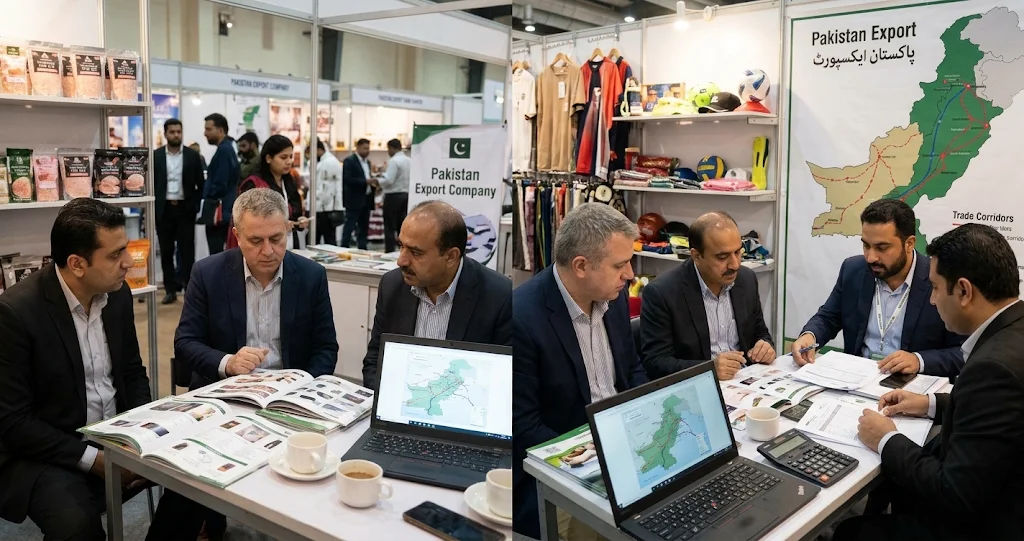
A Pakistan Export Company can handle private-label production by coordinating with manufacturers, sourcing suitable materials, arranging product customization, managing packaging, and preparing shipments for international markets. Depending on its business model, an exporter may manufacture products directly or work with specialized production facilities. This flexibility allows overseas businesses to develop branded products while benefiting from Pakistan's manufacturing capabilities.
For startups, established retailers, wholesalers, and online sellers, private labeling offers an opportunity to build a recognizable brand. However, choosing the right export partner requires careful planning. Buyers need to understand production capabilities, minimum order quantities, quality standards, packaging requirements, pricing, and international shipping procedures.
This comprehensive guide explains how private labeling works, what services exporters can provide, which products are suitable, and how international buyers can establish successful partnerships.
Private Label Manufacturing
Private labeling is a business arrangement in which a manufacturer produces goods that another company sells under its own brand name.
Instead of selling products using the manufacturer's identity, the buyer receives customized goods with its preferred branding, packaging, labels, and product specifications.
For example, a retailer in the United Kingdom may want to introduce a clothing collection under its own brand. Rather than opening a factory, the retailer can approach a Pakistani exporter that works with clothing manufacturers.
The exporter coordinates production according to the buyer's requirements. Finished products are then packaged with the retailer's branding and shipped to the destination market.
How Private Labeling Differs From Traditional Manufacturing
Traditional manufacturing generally involves producing goods under the manufacturer's brand or selling unbranded products.
Private labeling adds another layer of customization because the buyer controls the brand identity.
The buyer may choose:
-
Product designs and specifications.
-
Materials and fabric selections.
-
Colors and sizes.
-
Labels and packaging.
-
Logo placement.
-
Product presentation.
-
Packaging quantities.
This arrangement allows businesses to concentrate on marketing, distribution, and customer relationships instead of managing manufacturing operations themselves.
Why Businesses Choose Private Label Products
Private labeling offers several commercial advantages.
First, businesses can establish their own identities in competitive markets. Customers become familiar with the retailer's brand rather than purchasing products based on another manufacturer's reputation.
Second, private labeling provides greater control over product presentation. Businesses can select packaging, colors, designs, and other features that match their target audiences.
Third, companies can develop product collections without investing in factories, machinery, and manufacturing infrastructure.
These advantages make private labeling attractive to both small businesses and established international retailers.
Can a Pakistan Export Company Provide Private Label Services?
Yes. A Pakistan Export Company can handle private-label orders, provided it has the appropriate manufacturing relationships, production capabilities, quality-control arrangements, and export experience.
Some exporters operate their own production facilities, while others coordinate with independent factories and specialized suppliers.
Both business models can support private labeling.
The important consideration is whether the exporter can consistently meet the buyer's specifications and deliver products according to agreed timelines.
Direct Manufacturing Capabilities
Some Pakistani exporters own or operate manufacturing facilities.
This arrangement can provide greater control over production schedules, material selection, and product customization.
Buyers may communicate directly with the production team through the export company's representatives.
Direct manufacturing can also make it easier to discuss technical requirements and resolve production issues.
However, buyers should verify whether the exporter actually owns the factory or simply coordinates production through another supplier.
Working With Manufacturing Partners
Other exporters use established manufacturing networks.
For example, an exporter specializing in textile products may coordinate with different facilities for fabric production, stitching, embroidery, printing, and packaging.
This model offers flexibility because different manufacturers may specialize in particular processes.
A capable export partner can manage communication between these suppliers and maintain consistent product specifications.
Buyers should confirm who is responsible for quality checks, production delays, and defective products before placing an order.
Which Products Can Be Developed Through Private Labeling?
Pakistan has several established manufacturing and export sectors that can support private-label opportunities.
The most suitable product depends on the exporter's experience, available facilities, target market, and buyer requirements.
Textile and Clothing Products
Textiles and clothing are among the most recognizable categories in Pakistan's manufacturing industry.
Exporters may coordinate private-label production for:
-
T-shirts and polo shirts.
-
Hoodies and sweatshirts.
-
Casual clothing.
-
Sportswear and activewear.
-
Uniforms.
-
Denim garments.
-
Traditional clothing.
-
Home textile products.
Buyers can request specific fabrics, stitching methods, measurements, colors, and finishing details.
Custom labels, embroidered logos, printed designs, and branded packaging can help transform standard garments into private-label collections.
Sportswear and Fitness Products
Sportswear is another promising category.
Manufacturers may produce gym clothing, tracksuits, training shirts, sports uniforms, and other textile-based fitness products.
International brands can request specific fabric blends, stretch properties, stitching details, and sizing specifications.
An experienced exporter can coordinate samples before full-scale production.
This is particularly important because sportswear needs to balance comfort, durability, and performance.
Leather Products
Pakistan has an established leather manufacturing sector.
Depending on the supplier's capabilities, private-label opportunities may include:
-
Leather wallets.
-
Belts.
-
Handbags.
-
Leather accessories.
-
Gloves.
-
Travel products.
-
Selected footwear categories.
Buyers can select leather types, colors, dimensions, stitching patterns, and branding methods.
Custom embossing and packaging can help create a consistent brand identity.
However, leather quality varies considerably. Buyers should examine samples and request clear information about material specifications before approving production.
Surgical and Sports Goods
Sialkot is particularly recognized for its manufacturing and export activities involving sports goods and surgical instruments.
Private-label opportunities may exist for selected sports equipment, uniforms, accessories, and other specialized products.
However, medical and surgical products require additional attention.
Products intended for medical use may need regulatory approvals, technical documentation, safety testing, and compliance with destination-market requirements.
A buyer should verify that the manufacturer has the appropriate certifications and that the products meet all applicable regulations.
Home Textile Products
Home textiles provide another opportunity for private-label businesses.
Products may include:
-
Bed sheets.
-
Pillowcases.
-
Towels.
-
Blankets.
-
Kitchen textiles.
-
Curtains.
-
Cushion covers.
Buyers can customize fabric composition, thread count, dimensions, patterns, colors, and packaging.
Retailers can develop coordinated collections for bedrooms, bathrooms, and kitchens.
An exporter experienced in textile production can help organize different products into a consistent collection.
How Private Label Production Works
A successful private-label project follows a structured process. Each stage helps ensure that the finished products meet the buyer's expectations.
Step 1: Identify the Product
The first step is deciding what product the business wants to introduce.
Buyers should consider customer demand, market competition, pricing expectations, and the capabilities of potential suppliers.
For example, a new clothing brand may begin with basic T-shirts before introducing more complicated garments.
Starting with a focused product range can make production and quality management easier.
Step 2: Share Product Specifications
Once the product has been selected, the buyer should provide detailed specifications.
These may include:
-
Product dimensions.
-
Material composition.
-
Design references.
-
Available colors.
-
Size charts.
-
Logo requirements.
-
Stitching and finishing details.
-
Packaging instructions.
Clear specifications reduce misunderstandings between the buyer and supplier.
If the product requires special features, these should be documented before production begins.
Step 3: Request Product Samples
Samples allow buyers to evaluate products before committing to larger orders.
They provide an opportunity to examine fabric quality, construction, appearance, sizing, and finishing.
For private-label clothing, buyers should check measurements and stitching.
For leather goods, they should examine material consistency and workmanship.
Any required changes should be communicated clearly.
The approved sample should become the reference standard for bulk production.
Step 4: Approve Branding and Packaging
Branding is an essential part of private labeling.
The buyer should provide its logo, brand colors, label designs, and packaging preferences.
Common branding options include:
-
Woven labels.
-
Printed labels.
-
Embroidered logos.
-
Custom tags.
-
Branded boxes.
-
Printed bags.
-
Product information cards.
Packaging should also meet destination-market requirements.
For example, some products require specific product descriptions, country-of-origin information, material details, or warning labels.
The exporter should confirm which requirements apply before finalizing the packaging design.
Step 5: Confirm Pricing and Minimum Order Quantities
Before production starts, both parties should agree on the commercial details.
The quotation should explain product costs, customization expenses, packaging charges, sampling costs, and shipping arrangements where applicable.
Minimum order quantity, commonly called MOQ, is particularly important.
Some factories accept small orders, while others require larger production quantities to maintain reasonable manufacturing costs.
Buyers should discuss MOQ requirements early to avoid investing time in a product that cannot be produced within their budget.
Step 6: Begin Bulk Production
After sample approval and commercial confirmation, the exporter can arrange bulk manufacturing.
Production may involve several stages, including material purchasing, cutting, stitching, assembly, finishing, and packaging.
The buyer should receive reasonable progress updates.
Any major changes to materials, specifications, or delivery schedules should be communicated before they affect the order.
Step 7: Conduct Quality Inspection
Quality control helps ensure that finished goods match the approved sample.
An exporter may inspect products during production and before shipment.
Depending on the product, inspections can cover:
-
Material quality.
-
Measurements.
-
Stitching.
-
Color consistency.
-
Product functionality.
-
Branding accuracy.
-
Packaging condition.
-
Order quantities.
Buyers can also arrange independent inspections when additional assurance is required.
Step 8: Prepare Export Documentation and Shipment
Once production and inspection are complete, the exporter prepares the shipment.
Common export documents may include a commercial invoice, packing list, certificate of origin where required, and transport documents.
Additional certificates or permits may apply to particular products and destination countries.
The buyer and exporter should agree on shipping responsibilities, delivery terms, insurance, and customs arrangements.
Important Services to Expect From an Export Partner
Not every exporter offers the same level of private-label support.
Before selecting a supplier, buyers should understand exactly which services are included.
Product Sourcing
A capable exporter can identify manufacturers that match the buyer's product requirements.
This is useful when a business wants to develop products but does not have direct relationships with local factories.
The exporter may compare suppliers based on production capacity, experience, pricing, and quality standards.
Custom Design and Development
Some exporters can support product development by coordinating with designers, pattern makers, and technical production teams.
This can help businesses turn an initial concept into a manufacturable product.
However, buyers should confirm whether design development is included in the quotation or charged separately.
Custom Packaging
Packaging helps create a professional customer experience.
An export partner may coordinate branded boxes, tags, labels, product inserts, and protective materials.
Buyers should approve digital or physical packaging samples before mass production.
Quality Assurance
Quality assurance should not be treated as an optional extra.
It helps identify manufacturing problems before products reach international customers.
Buyers should ask about inspection procedures, acceptable defect levels, product testing, and corrective actions.
Export and Logistics Coordination
An experienced exporter can coordinate shipping documentation, freight arrangements, customs-related paperwork, and communication with logistics providers.
This can simplify international purchasing for businesses that do not have established import teams.
However, the buyer remains responsible for understanding its own country's import regulations and obligations.
Benefits of Working With a Pakistani Export Partner
Choosing a Pakistani supplier can offer several advantages for international businesses.
Access to Established Manufacturing Industries
Pakistan has manufacturing clusters with experience in textiles, leather goods, sports products, and other export categories.
Working with suppliers in these industries can provide access to specialized production knowledge.
This can be particularly useful for businesses seeking products that require specific manufacturing techniques.
Product Customization
Private-label buyers need suppliers who can adapt products to different brand identities.
Depending on factory capabilities, Pakistani exporters may coordinate changes to materials, colors, dimensions, designs, and packaging.
This flexibility helps businesses develop differentiated product collections.
Competitive Production Opportunities
Manufacturing costs vary according to materials, labor, product complexity, and order quantities.
Some Pakistani suppliers may offer competitive quotations compared with alternative sourcing markets.
However, the lowest quotation is not always the best commercial choice.
Businesses should compare total landed costs, including freight, duties, inspection, packaging, and potential quality-related expenses.
Opportunities for Long-Term Partnerships
A reliable exporter can become a valuable long-term business partner.
Once product specifications and quality expectations are established, repeat orders may become easier to manage.
Long-term cooperation can also improve communication, planning, and production consistency.
Challenges Buyers Should Consider
Private labeling offers valuable opportunities, but international sourcing also involves risks.
Understanding these challenges helps buyers make better decisions.
Inconsistent Product Quality
Products may differ from approved samples if manufacturing instructions are unclear or quality checks are weak.
To prevent this problem, buyers should establish written specifications and require production inspections.
Important quality requirements should be included in the purchase agreement.
Communication Problems
Misunderstandings can occur when buyers and suppliers have different expectations.
For example, a buyer may expect a particular fabric thickness, while the supplier interprets the requirement differently.
Detailed technical documents, approved samples, and regular communication can reduce these problems.
Production Delays
Manufacturing delays can occur because of material shortages, production capacity issues, equipment problems, or transportation disruptions.
Buyers should agree on realistic production schedules and include sufficient time for inspection and shipping.
Intellectual Property Protection
Brand names, logos, designs, and product concepts are valuable business assets.
Buyers should clarify ownership and usage rights in written agreements.
They should also consider appropriate trademark registration in their target markets.
Confidentiality agreements may be useful when sharing commercially sensitive product information.
Regulatory Compliance
Products entering international markets may need to meet specific safety, labeling, environmental, or technical requirements.
For example, textiles, leather products, and medical instruments can have different compliance obligations.
The buyer should identify the relevant regulations before production rather than waiting until the shipment reaches customs.
How to Choose the Right Pakistan Export Company
Selecting the right supplier is one of the most important decisions in private-label sourcing.
A company may offer attractive prices but lack the experience or systems needed to manage customized production.
The following factors can help buyers evaluate potential partners.
Check Industry Experience
Look for an exporter with experience in the exact product category you want to purchase.
A company experienced in clothing production may not have the technical knowledge required for medical equipment.
Ask about previous projects, manufacturing capabilities, and export destinations.
Verify Manufacturing Arrangements
Find out whether the exporter owns its manufacturing facilities or works with third-party factories.
Neither arrangement is automatically better.
What matters is whether the exporter has reliable supplier relationships and clear responsibility for quality and delivery.
Review Certifications and Compliance
Request relevant certifications and verify their validity.
Requirements depend on the product and target market.
For example, medical products may require specific quality-management systems and regulatory authorization.
Do not assume that one general business certificate proves compliance for every product category.
Evaluate Communication
A professional exporter should respond clearly to questions about pricing, samples, specifications, and delivery schedules.
Communication should remain consistent throughout the project.
Buyers should also identify the person responsible for handling production updates and resolving problems.
Compare Complete Quotations
A useful quotation should explain what the buyer is paying for.
Compare material costs, customization, packaging, sampling, inspection, and shipping separately where possible.
This makes it easier to understand the actual cost of private-label production.
Understanding Costs and Minimum Order Quantities
Private-label costs depend on several factors.
There is no single price that applies to every product or supplier.
Material Selection
Premium materials generally cost more than standard alternatives.
For example, a garment made with a specialized fabric may require a higher production budget than a basic cotton T-shirt.
Buyers should select materials based on customer expectations and the intended product price.
Customization Expenses
Custom labels, embroidery, printing, specialized stitching, and packaging can increase production costs.
The more customized a product becomes, the more important it is to calculate these expenses before confirming an order.
Order Volume
Larger orders may reduce the manufacturing cost per unit because fixed production expenses are spread across more products.
However, large quantities also increase inventory investment.
Smaller businesses should balance unit pricing against the financial risk of holding unsold stock.
Shipping and Import Costs
International shipping can significantly affect the final product cost.
Buyers should consider freight, insurance, customs duties, taxes, clearance fees, and local transportation.
Calculating the landed cost helps determine whether a product can remain profitable in the destination market.
Tips for Building a Successful Private Label Brand
Working with a reliable exporter is only one part of building a successful business.
Buyers must also develop a clear brand strategy.
Understand Your Target Audience
Before selecting products, research the people who are most likely to purchase them.
Consider their preferred designs, quality expectations, budgets, and shopping habits.
A product designed for premium retail customers may require different materials and packaging from one intended for a budget-focused market.
Start With a Manageable Product Range
Launching too many products at once can create unnecessary production and inventory challenges.
A focused collection makes it easier to test demand and evaluate supplier performance.
Once the first products perform well, businesses can gradually expand their collections.
Prioritize Product Consistency
Customers expect repeat purchases to maintain the same quality.
Businesses should keep detailed records of approved samples, materials, measurements, colors, and packaging specifications.
These records help maintain consistency across future orders.
Build a Strong Brand Identity
A recognizable brand needs consistent presentation.
Product labels, packaging, photography, descriptions, and customer service should communicate the same brand values.
A clear identity can help a business stand out in crowded retail markets.
Maintain Regular Supplier Communication
Long-term partnerships depend on communication and transparency.
Buyers should discuss production progress, inventory needs, quality concerns, and future order plans.
Regular communication can help both sides identify problems before they become expensive.
Common Mistakes to Avoid When Ordering Private Label Products
Even experienced businesses can make mistakes when starting a new sourcing relationship.
Some of the most common include:
Skipping product samples: Approving bulk production without examining samples can lead to unexpected quality problems.
Choosing suppliers only by price: Low quotations may hide additional costs or quality limitations.
Ignoring packaging requirements: Incorrect labels or packaging can create compliance issues in the destination market.
Ordering excessive quantities: Large initial orders can create unnecessary inventory pressure.
Failing to document specifications: Verbal instructions can be misunderstood or forgotten.
Ignoring delivery terms: Buyers should understand when responsibility for transportation, insurance, and risk transfers between the parties.
Overlooking intellectual property: Brand ownership and design rights should be clarified before sharing important creative assets.
Avoiding these mistakes creates a more organized and predictable private-label process.
The Future of Private Label Exporting From Pakistan
Private-label opportunities are likely to remain important as international businesses look for flexible manufacturing and sourcing arrangements.
Retailers increasingly want products that reflect their own brand identities.
This creates opportunities for exporters that can combine manufacturing knowledge with customization, quality assurance, and dependable international logistics.
Digital communication is also changing how buyers work with overseas suppliers.
Businesses can exchange product specifications, review digital designs, arrange virtual meetings, and monitor production updates more easily than before.
Sustainability is another important consideration.
International buyers are becoming more interested in responsible material sourcing, waste reduction, durable products, and transparent manufacturing practices.
Pakistani exporters that invest in these areas may become more attractive to international customers.
However, future growth will depend on maintaining product quality, meeting regulatory requirements, and developing reliable business relationships.
Conclusion
A Pakistan Export Company can handle private-label production by coordinating manufacturing, product customization, branding, packaging, quality inspections, and international shipping. The exact services available depend on the company's industry experience, manufacturing arrangements, and relationships with local suppliers.
Pakistan offers private-label opportunities across several product categories, particularly textiles, clothing, sportswear, leather goods, and home textiles. These industries provide international buyers with opportunities to develop customized products without establishing their own manufacturing facilities.
However, successful private labeling requires more than finding a supplier with competitive prices. Businesses must carefully evaluate manufacturing capabilities, request samples, approve detailed specifications, understand minimum order quantities, and establish clear quality standards.
It is equally important to consider intellectual property protection, packaging requirements, export documentation, and destination-market regulations. These steps help reduce misunderstandings and protect both the buyer's investment and brand reputation.
For startups, private labeling can provide a practical way to enter international markets with a focused product range. For established retailers, it can support product expansion and stronger brand recognition. In both cases, the right export partner can make manufacturing and sourcing more manageable.
Ultimately, successful private-label partnerships depend on trust, communication, transparency, and consistent performance. By choosing an experienced exporter and following a structured production process, international businesses can develop branded products that meet customer expectations and support long-term growth.
Author
