- 0
- 2,626 words
Umrah is a special spiritual journey that brings Muslims from different parts of the world to Makkah and Madinah. During this journey, comfortable transportation can make travelling between hotels, airports, religious sites, and shopping areas much easier. Private transportation offers convenience, flexibility, and privacy, especially for families, elderly pilgrims, and people travelling with children. 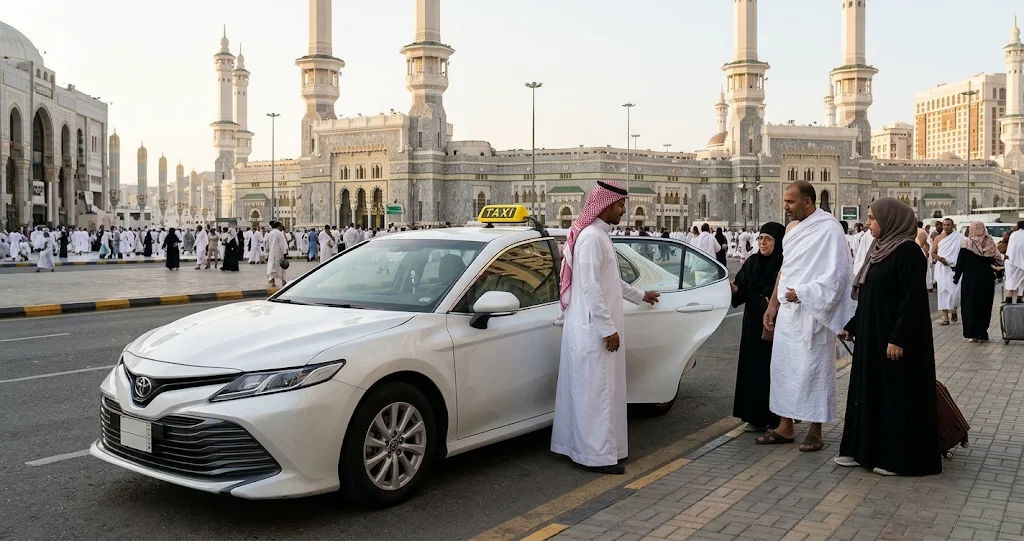 However, passengers should also understand the importance of proper travel etiquette.
Using a makkah taxi service is not only about reaching a destination comfortably. It is also about respecting the driver, following local customs, keeping the vehicle clean, and communicating politely throughout the journey. Good passenger behaviour creates a positive experience for everyone involved.
Whether someone is visiting Saudi Arabia for the first time or has completed Umrah several times, understanding transportation etiquette can help prevent misunderstandings and unnecessary stress. Simple habits, such as arriving on time, confirming the destination, respecting personal space, and following safety instructions, can make every journey more pleasant.
This comprehensive guide explains the essential etiquette rules passengers should follow when using private Umrah transportation. From booking and communication to cleanliness, punctuality, and cultural respect, these practical tips will help pilgrims enjoy a smoother travel experience.
1. Importance of Taxi Etiquette During Umrah
makkah taxi involves several activities, including travelling to the Haram, visiting religious locations, attending prayers, and moving between accommodation and transportation points. Because pilgrims often follow busy schedules, private transportation can provide valuable convenience.
However, a successful journey depends on cooperation between the driver and passengers.
Taxi etiquette means following basic rules of respect, responsibility, and consideration. It includes communicating clearly, respecting the vehicle, avoiding unnecessary arguments, and understanding that the driver is providing a professional service.
Respect the Driver as a Professional
Drivers play an important role in helping pilgrims reach their destinations. They may deal with heavy traffic, crowded roads, changing routes, and different passenger requirements throughout the day.
Passengers should treat drivers politely and avoid speaking aggressively. A respectful attitude makes communication easier and helps create a comfortable environment.
Understand That Every Journey Requires Cooperation
A private taxi journey involves responsibilities on both sides. The driver should provide professional transportation, while passengers should follow agreed arrangements.
For example, passengers should communicate their destination clearly and avoid requesting unexpected stops without discussing them first.
Cooperation reduces confusion and makes travelling more convenient.
2. Arrive on Time for Your Scheduled Pickup
Punctuality is one of the most important rules of private transportation etiquette.
Many pilgrims have scheduled activities, including prayers, hotel checkouts, airport departures, and visits to religious landmarks. Delayed pickups can affect these plans.
Passengers should prepare before the agreed pickup time rather than expecting the driver to wait indefinitely.
Be Ready Before the Driver Arrives
If your pickup is scheduled for 9:00 AM, try to be ready a few minutes earlier.
Complete your packing, collect your belongings, and make sure everyone in your group is prepared.
This is particularly important when travelling with children or elderly family members because getting everyone ready may require additional time.
Inform the Driver About Delays
Sometimes unexpected situations can prevent passengers from arriving on time.
If you experience a delay, contact the driver as soon as possible. Explain the situation politely and provide an estimated waiting time.
Do not leave the driver waiting without communication.
Respect the Agreed Waiting Period
Different transportation providers may have different waiting policies.
Passengers should understand these arrangements before confirming their booking. If additional waiting time is needed, discuss it with the driver or service provider.
Clear expectations help prevent disagreements.
3. Communicate Clearly When Booking a Private Taxi
Clear communication is essential when arranging private transportation during Umrah.
Passengers should provide accurate information so the driver understands their requirements before arriving.
Share the Correct Pickup Location
Hotels and accommodation buildings in Makkah can be located in busy areas with several entrances.
Instead of simply providing a hotel name, share the exact entrance, building name, or another recognizable meeting point.
If necessary, send a location pin through an appropriate messaging service.
This can reduce confusion and save time.
Confirm Your Destination
Before starting the journey, explain exactly where you want to go.
For example, if you are travelling to the Haram, specify the intended drop-off area when possible.
If you are visiting a particular hotel or religious location, provide its correct name.
Passengers should not assume that every driver automatically understands an unclear destination.
Discuss Special Requirements in Advance
If you need additional luggage space, child seating arrangements, or assistance for an elderly passenger, communicate these requirements during booking.
Early communication allows the service provider to arrange a suitable vehicle when available.
4. Respect the Cleanliness of the Vehicle
Keeping the taxi clean is an important responsibility for every passenger.
Private vehicles are shared professional spaces. Drivers may transport several customers throughout the day, so passengers should avoid activities that create unnecessary mess.
Avoid Leaving Rubbish Behind
Do not leave food wrappers, plastic bottles, tissues, or other waste inside the vehicle.
Keep a small bag for rubbish if you are travelling with children or carrying snacks.
Before leaving the taxi, check your seating area and collect all personal waste.
Be Careful With Food and Drinks
Eating during a journey may sometimes be necessary, especially when travelling with children or elderly family members.
However, passengers should avoid eating messy foods that could stain the seats or create unpleasant smells.
If you need to eat inside the vehicle, ask the driver politely first.
Protect the Vehicle's Interior
Avoid placing muddy shoes, wet bags, or dirty luggage directly on the seats.
Passengers should also avoid damaging door handles, seat covers, windows, or other interior features.
Respecting the vehicle helps maintain a pleasant environment for everyone.
5. Follow Local Customs and Cultural Expectations
Makkah and Madinah welcome Muslims from many countries and cultural backgrounds.
Pilgrims should remain mindful of local customs and behave respectfully in public places.
Dress Respectfully
Passengers should choose clothing appropriate for their destination and local cultural expectations.
During Umrah, pilgrims should also follow the specific clothing requirements associated with their state of Ihram.
Women and men should understand the relevant religious guidelines before beginning their journey.
Use Polite Language
A respectful greeting can create a positive atmosphere.
Simple expressions such as Assalamu Alaikum, please, and thank you show appreciation.
If you do not speak Arabic, clear and polite communication in a language understood by the driver can still make the journey easier.
Respect Religious Environments
When travelling near the Haram or other religious locations, maintain respectful behaviour.
Avoid unnecessary loud conversations, inappropriate language, and disruptive activities.
Remember that many people around you are focused on worship.
6. Maintain Personal Space and Privacy
One major advantage of private transportation is the opportunity to travel with greater privacy.
However, passengers should respect the driver's personal and professional boundaries as well.
Avoid Unnecessary Personal Questions
It is perfectly acceptable to ask questions related to the journey, destination, estimated arrival time, or transportation arrangements.
However, asking intrusive questions about the driver's private life is unnecessary.
Keep conversations friendly and appropriate.
Ask Before Taking Photographs
Some passengers enjoy recording their Umrah experiences.
However, taking photographs or videos inside a vehicle may unintentionally include the driver.
Always ask permission before recording someone.
Passengers should also avoid sharing another person's image publicly without consent.
Keep Conversations Comfortable
Some drivers enjoy friendly conversation, while others may prefer to concentrate on driving.
Passengers should recognize these differences and avoid forcing conversations.
A peaceful journey can be just as enjoyable as an entertaining one.
7. Follow Safety Rules During Every Journey
Passenger safety should always remain a priority.
Even when using private transportation, everyone inside the vehicle must follow basic road safety practices.
Wear Your Seat Belt
Passengers should wear seat belts throughout the journey.
This applies to front and rear passengers whenever seat belts are available.
Parents and guardians should make sure children are properly secured using suitable child restraints.
Avoid Distracting the Driver
Drivers need to concentrate on traffic, road conditions, pedestrians, and navigation.
Passengers should avoid shouting, playing loud videos, or repeatedly interrupting the driver.
If you need assistance, communicate calmly.
Do Not Encourage Unsafe Driving
Some passengers may be in a hurry to reach the airport, hotel, or Haram.
However, they should never pressure the driver to speed, ignore traffic signals, or take unnecessary risks.
Reaching your destination safely is more important than saving a few minutes.
Keep Important Belongings Secure
Keep passports, phones, wallets, and other valuable items in a secure place.
Before leaving the vehicle, check the seats and storage areas to make sure nothing has been forgotten.
8. Be Considerate When Travelling With Family Members
Families often choose private transportation because it provides greater convenience and flexibility.
However, travelling with several family members requires additional planning.
Prepare Children Before the Journey
Children may become tired or restless during longer journeys.
Parents should carry necessary items, such as water, snacks, and entertainment, while avoiding activities that could distract the driver.
Explain simple travel rules to children before entering the vehicle.
For example, they should avoid kicking seats, touching vehicle controls, or shouting unnecessarily.
Give Elderly Passengers Enough Time
Older family members may need additional time to enter or leave the vehicle.
Passengers should avoid rushing them.
If someone requires assistance walking or carrying belongings, inform the driver beforehand so suitable arrangements can be considered.
Organize Group Luggage
When travelling with several people, organize luggage before pickup.
Avoid blocking the driver's view or placing heavy items in unsafe positions.
Make sure the selected vehicle has enough passenger seating and luggage capacity.
9. Understand Payment and Tipping Etiquette
Money-related misunderstandings can create unnecessary tension during transportation.
Passengers should understand the agreed fare and payment arrangements before starting the journey.
Confirm the Fare Before Travelling
Ask whether the quoted price covers the complete journey or whether additional charges may apply.
For example, clarify whether waiting time, extra stops, tolls, or additional luggage could affect the total price.
A clear agreement protects both the passenger and service provider.
Pay Through the Agreed Method
Some services accept cash, while others may offer electronic payment options.
Confirm the available payment method during booking.
Passengers should avoid making assumptions about payment arrangements.
Tipping Is a Personal Choice
Tipping may be appreciated by drivers, particularly when they provide helpful and professional service.
However, passengers should understand whether gratuity is included in the fare.
If you wish to offer an additional amount, do so respectfully and within your budget.
A sincere thank-you is also a meaningful way to show appreciation.
10. Respect the Driver's Time During Additional Stops
Private transportation often provides more flexibility than shared transportation.
Nevertheless, passengers should understand that additional stops may require extra time or charges.
Request Stops Politely
If you want to stop for food, shopping, or personal requirements, discuss the request with the driver.
Do not assume that every additional stop is automatically included in the original booking.
Avoid Changing Plans Repeatedly
Frequent changes can create confusion, especially when the driver has scheduled other journeys.
Try to plan your route before leaving.
If your plans change unexpectedly, explain the situation and discuss whether the driver can accommodate the request.
Understand Traffic Conditions
Makkah can experience heavy traffic, particularly during busy pilgrimage periods.
Passengers should remain patient when unexpected delays occur.
A driver may need to choose an alternative route because of traffic restrictions or road conditions.
11. Know How to Behave During Airport Transfers
Airport transportation requires additional attention because passengers usually have luggage, travel documents, and fixed departure schedules.
Good etiquette can make airport journeys more organized.
Provide Accurate Flight Information
When booking an airport transfer, share the correct flight details.
This helps the transportation provider understand your expected arrival or departure schedule.
If your flight changes, communicate the updated information as soon as possible.
Organize Your Luggage
Count your bags before entering the vehicle.
Make sure every passenger knows which luggage belongs to them.
This is especially important for large families travelling with several suitcases.
Avoid Last-Minute Delays
Passengers should be ready when the driver arrives.
Complete hotel checkout procedures, collect travel documents, and organize luggage before the scheduled pickup.
This helps reduce unnecessary waiting.
12. Handle Complaints With Patience and Respect
Occasionally, passengers may experience problems during transportation.
These could include delays, misunderstandings about fares, vehicle concerns, or unexpected route changes.
The way passengers handle these situations can make a significant difference.
Explain Problems Calmly
If something goes wrong, explain your concern politely.
Avoid shouting or using disrespectful language.
A calm discussion is more likely to produce a useful solution.
Contact the Service Provider When Necessary
If the driver cannot resolve an issue, contact the transportation company through its official communication channel.
Explain what happened and provide relevant booking information.
This allows the company to review the situation appropriately.
Provide Fair Feedback
After completing the journey, passengers may share feedback about their experience.
Mention both positive and negative aspects honestly.
Fair feedback can help transportation providers improve their services.
13. Respect Religious Schedules and Important Prayer Times
Umrah is primarily a spiritual journey, so passengers should organize their transportation around worship whenever possible.
Prayer times can influence traffic, road activity, and the availability of transportation services.
Plan Journeys Around Prayer Times
Before scheduling a pickup, consider the time required to reach your destination and complete your activities.
Allow additional time during busy periods.
This can help prevent unnecessary rushing.
Avoid Making Unrealistic Travel Requests
Passengers should understand that reaching a destination within a specific number of minutes may not always be possible.
Traffic restrictions, crowds, and road conditions can affect travel time.
Discuss your schedule with the driver and allow a reasonable margin.
Maintain a Peaceful Atmosphere
Some pilgrims prefer quiet journeys for prayer, reflection, or rest.
Passengers travelling together should respect these preferences.
Avoid unnecessary noise and maintain a considerate atmosphere.
14. Prepare a Simple Passenger Etiquette Checklist
Before using private transportation during Umrah, review a few important points.
The following checklist can help passengers remember their responsibilities.
Treat the driver respectfully.
Ask permission before recording the driver.
Following these simple practices can make transportation easier for individuals, couples, and families.
Conclusion
Private transportation can make an Umrah journey more comfortable, organized, and convenient. However, a positive experience depends on more than choosing a suitable vehicle. Passengers also need to understand their responsibilities and show consideration toward drivers, other road users, and the local community.
Good etiquette begins before the journey. Arriving on time, sharing accurate pickup information, confirming the fare, and explaining special requirements can prevent many common misunderstandings. Once inside the vehicle, passengers should maintain cleanliness, wear seat belts, respect personal space, and avoid distracting the driver.
Families should prepare children for the journey, while passengers travelling with elderly relatives should allow additional time and communicate accessibility requirements in advance. Similarly, anyone using private transportation for airport transfers should organize luggage and travel documents before pickup.
Choosing a reliable makkah taxi service can make moving between accommodation, airports, the Haram, and other destinations easier. Nevertheless, passengers should remember that respectful behaviour is an important part of every successful transportation experience.
Most importantly, pilgrims should maintain patience throughout their travels. Makkah can become extremely busy during Umrah seasons, and unexpected delays are sometimes unavoidable. Remaining calm, communicating politely, and understanding the challenges faced by drivers can make the experience more pleasant.
Ultimately, proper taxi etiquette reflects consideration, responsibility, and respect. By following these simple guidelines, passengers can contribute to a comfortable travel environment while keeping their attention on the spiritual purpose of their Umrah journey.
Author
