- 0
- 2,612 words
Gaming has changed dramatically over the past decade. What was once an activity limited to dedicated gaming consoles and computers has become something people can enjoy almost anywhere. Smartphones now offer powerful processors, advanced graphics, responsive touchscreens, and access to thousands of entertaining games. As a result, many players are beginning to question whether mobile devices can provide an experience that matches traditional consoles.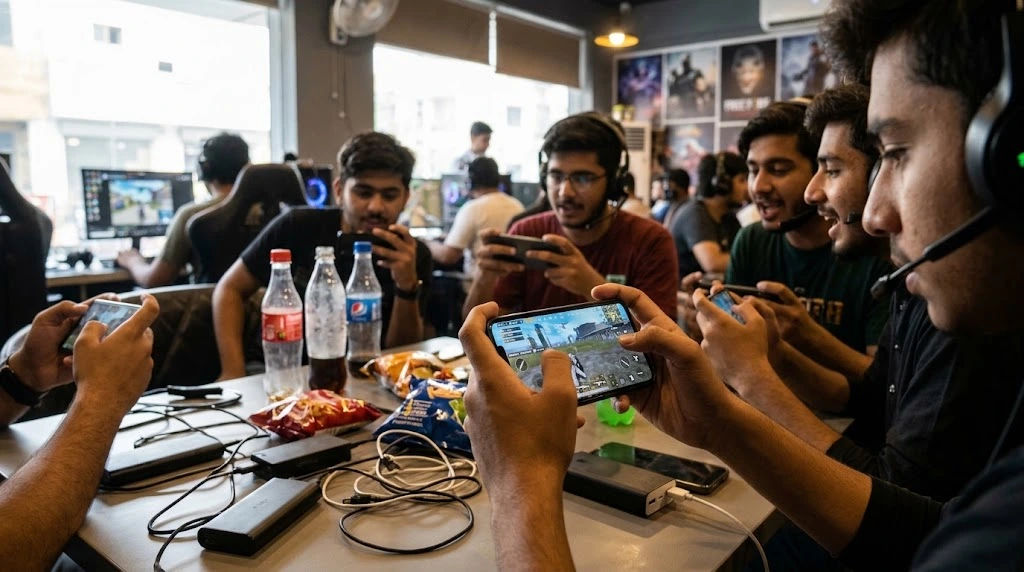
Mobile App Gaming has become a major part of the modern entertainment industry. Players can enjoy action games, racing competitions, multiplayer adventures, sports simulations, and strategy challenges without purchasing an expensive gaming system. Many mobile titles also feature impressive graphics, regular updates, and online multiplayer options that keep players entertained.
However, console gaming still offers advantages that smartphones cannot always match. Dedicated controllers, larger screens, powerful hardware, exclusive titles, and advanced audio systems create an experience that appeals to serious gamers. Understanding the strengths and limitations of both platforms can help determine whether smartphones can eventually replace traditional consoles.
The answer depends on what players expect from gaming. Some people prioritize convenience and affordability, while others value performance, immersive environments, and precise controls. Comparing these platforms provides a clearer picture of how gaming preferences may develop in the future.
The Growth of Mobile Gaming
Mobile App Gaming pkr98 have transformed gaming by making entertainment accessible to almost everyone. Unlike traditional consoles, which require dedicated equipment, mobile devices are already part of everyday life.
Players can download games, create accounts, connect with friends, and begin playing within minutes. This convenience has helped mobile gaming attract people from different age groups and backgrounds.
Easy Access to Entertainment
Accessibility is one of the strongest advantages of smartphone gaming. Players do not need to purchase a separate device to enjoy their favorite titles if they already own a compatible smartphone.
Games are available through digital application stores, making installation and updates relatively simple. Many titles are free to download, allowing users to explore different experiences before spending money.
This accessibility also makes gaming suitable for short breaks. Someone can complete a quick puzzle, participate in a multiplayer match, or enjoy a racing challenge while traveling or waiting for an appointment.
A Growing Variety of Games
Modern smartphones support many different gaming categories. Players can choose from casual puzzles, competitive shooters, football simulations, role-playing adventures, and complex strategy games.
Developers have also improved storytelling and gameplay mechanics. Some smartphone games include detailed characters, large environments, online communities, and regular seasonal events.
This variety allows mobile platforms to appeal to both casual players and people who enjoy more demanding gaming experiences.
Comparing Mobile and Console Gaming Performance
Performance plays an important role in determining whether a gaming platform can satisfy different players. Although smartphones have become increasingly powerful, consoles still provide certain technical advantages.
Graphics and Visual Quality
Modern smartphones can produce impressive visual effects. High-resolution displays, advanced graphics processors, and improved lighting technologies make many mobile games visually attractive.
Some games offer detailed environments, realistic character animations, and smooth movement. Premium smartphones can also support high refresh rates, improving the appearance of fast-moving scenes.
However, dedicated consoles generally have more powerful hardware and greater thermal capacity. This allows developers to create larger environments, more detailed textures, complex physics, and advanced visual effects.
Console games can also maintain demanding graphics settings for extended periods without the same thermal limitations commonly experienced by compact mobile devices.
Processing Power and Stability
Smartphones use compact processors designed to balance performance, battery consumption, and heat management. These processors have improved significantly, but their physical size creates certain limitations.
During demanding gaming sessions, some devices reduce performance to control temperatures. This can affect frame rates and responsiveness.
Consoles are designed specifically for sustained gaming workloads. Their cooling systems, dedicated hardware, and optimized software provide more consistent performance during extended sessions.
For players who regularly enjoy graphically demanding games, this difference remains important.
Gaming Controls and User Experience
Controls influence how comfortably and accurately players interact with games. Both platforms offer different approaches to gameplay.
Touchscreen Controls
Touchscreens make mobile gaming simple and convenient. Players can tap, swipe, drag, and use virtual buttons without carrying additional accessories.
These controls work particularly well for puzzle games, card games, management simulations, and many casual experiences.
However, touchscreen controls can become challenging in competitive games. Virtual buttons may cover important parts of the screen, and players sometimes struggle to perform several actions simultaneously.
Finger placement can also affect visibility and accuracy, especially during fast-paced gameplay.
Physical Controllers
Console controllers provide dedicated buttons, analog sticks, triggers, and directional controls. These features allow players to perform complicated movements with greater precision.
For example, racing games benefit from analog acceleration and steering. Action games can use multiple buttons for jumping, aiming, attacking, and changing weapons.
Physical controllers also provide familiar layouts that many experienced players prefer.
Some smartphones support external controllers, allowing users to enjoy more traditional gameplay. This narrows the difference between the platforms, although the overall experience still depends on device compatibility and game support.
Cost and Affordability Differences
Price is another major factor when deciding between mobile and console gaming.
The Lower Entry Cost of Mobile Gaming
Most people already own smartphones, so they may not need to purchase additional hardware to start playing.
Many mobile games are free, while others offer relatively inexpensive downloads. Players can choose how much they want to spend based on their interests and budgets.
This makes smartphone gaming attractive to students, casual players, and people who do not want to invest heavily in entertainment.
However, some games include optional purchases, subscriptions, advertisements, and in-game currencies. These expenses can increase over time.
The Investment Required for Console Gaming
Console gaming requires a dedicated device, compatible controllers, and usually a television or monitor.
Players may also need to purchase individual games, subscriptions, and additional storage. New console generations can represent a considerable investment.
Despite these costs, consoles often provide access to premium experiences with complete campaigns, detailed graphics, and extensive multiplayer features.
For people who regularly play games, the initial expense may provide long-term entertainment value.
Online Multiplayer and Social Gaming
Gaming has become a social activity rather than simply an individual form of entertainment. Both smartphones and consoles allow players to connect with friends and compete against people worldwide.
Mobile Multiplayer Experiences
Mobile games make online competition accessible from almost anywhere with a suitable internet connection.
Players can join friends, participate in tournaments, communicate through messaging features, and compete in real-time matches.
Many games also support cross-platform features, allowing smartphone users to interact with players using other compatible devices.
This flexibility makes mobile multiplayer particularly convenient for people who prefer gaming without fixed schedules.
Console Communities
Console platforms have established gaming communities built around popular franchises, online services, and competitive events.
Players can communicate through voice chat, join organized teams, and participate in multiplayer competitions.
Console gaming also benefits from established esports communities and games designed around precise competitive controls.
Both platforms offer strong social opportunities, but consoles may provide a more comfortable environment for players who prefer longer and more structured multiplayer sessions.
Game Selection and Exclusive Titles
The availability of games can strongly influence a player's choice of platform.
Popular Mobile Game Categories
Smartphone gaming offers an extensive selection of titles across different categories.
Some popular options include:
-
Puzzle games that develop problem-solving skills.
-
Racing games featuring different vehicles and tracks.
-
Strategy games involving planning and resource management.
-
Sports games that recreate popular competitions.
-
Role-playing games with character development and storytelling.
-
Multiplayer action games featuring team-based challenges.
Many mobile games receive frequent updates, introducing new characters, maps, events, and gameplay features.
This ongoing development encourages players to return regularly.
Console Exclusives and Premium Experiences
Consoles remain attractive because of their exclusive games and established franchises.
Some titles are developed specifically for particular console ecosystems. These games may feature cinematic storytelling, extensive campaigns, detailed environments, and advanced gameplay mechanics.
Console developers also have greater opportunities to design experiences around dedicated hardware.
Although some popular franchises are available across multiple platforms, certain premium experiences remain more closely associated with consoles.
This gives traditional gaming systems an advantage among players who want access to specific titles.
Battery Life and Portability
Portability is one area where smartphones have a clear advantage.
Gaming Anywhere
Smartphones allow people to play games while traveling, sitting outdoors, or relaxing away from home.
Players do not need to carry a large console or connect their device to a television. Their games remain available through a portable screen.
This convenience makes mobile platforms particularly useful for people with busy schedules.
However, intensive gaming can consume battery power quickly. High graphics settings, internet connectivity, and screen brightness may reduce battery life.
Console Gaming at Home
Traditional consoles are generally designed for stationary entertainment.
Players usually need access to a television or monitor, electricity, and enough space for the equipment.
Although portable gaming systems provide an alternative, standard home consoles are less convenient to transport.
Their advantage is that players can enjoy extended gaming sessions without worrying about smartphone battery consumption.
The Role of Internet Connectivity
Internet access has become increasingly important for modern gaming.
Mobile Network Flexibility
Smartphones can connect through Wi-Fi or mobile data, allowing players to enjoy online games in different locations.
This flexibility supports multiplayer matches, cloud-based services, and online competitions.
However, mobile connections may experience inconsistent speeds depending on network coverage, congestion, and location.
Unstable connectivity can create delays that negatively affect competitive gameplay.
Console Network Performance
Consoles commonly connect through home Wi-Fi or Ethernet.
A wired connection can provide greater stability, which is useful for competitive games requiring quick responses.
Home internet connections also make it easier to download large game updates and digital purchases.
Nevertheless, consoles still depend on reliable internet for many online experiences.
Neither platform completely eliminates connectivity problems.
Can Mobile Gaming Replace Console Gaming for Serious Players?
The answer depends on the type of gaming experience someone wants.
Casual players may find that smartphones already provide everything they need. They can enjoy entertaining games, participate in competitions, and communicate with friends without purchasing additional equipment.
However, serious gamers often have different expectations.
Competitive Gaming Requirements
Competitive gaming requires precision, consistent performance, and responsive controls.
Small differences in input delay, frame rates, or screen visibility can influence the outcome of demanding matches.
Although smartphones support competitive games, touchscreen controls may place some players at a disadvantage compared with traditional controllers.
External controllers can improve accuracy, but not every mobile game supports them equally.
Consoles continue to provide a reliable environment for many competitive gaming experiences.
Immersive Gaming Environments
Some players prefer games with detailed worlds, emotional storytelling, realistic sound effects, and cinematic presentation.
Large displays and dedicated audio equipment can make these experiences more immersive.
Smartphones can provide impressive visuals, but their smaller screens and compact speakers may limit the overall experience.
For players who enjoy lengthy adventure games, realistic simulations, and cinematic action titles, consoles remain appealing.
How Mobile Gaming Technology Is Changing the Future
Technology continues to improve, and future developments could reduce the differences between smartphones and consoles.
Better Smartphone Processors
Mobile processors are becoming faster and more energy-efficient.
Improved graphics capabilities allow developers to create increasingly detailed games without requiring traditional console hardware.
As processing technology advances, smartphones may support more sophisticated environments, realistic animations, and demanding gameplay systems.
Improved cooling solutions could also help devices maintain performance during longer sessions.
Cloud Gaming Opportunities
Cloud gaming allows users to stream games from remote servers instead of relying entirely on their device's hardware.
This technology could make demanding games accessible through smartphones that would otherwise struggle to run them locally.
Players may eventually enjoy console-style experiences on mobile screens using compatible controllers.
However, cloud gaming depends heavily on reliable internet connections. Network delays, subscription expenses, and service availability remain important considerations.
Cross-Platform Gaming
Cross-platform gaming is another development that may influence the future.
It allows players using different devices to participate in compatible multiplayer experiences.
For example, smartphone users may compete or cooperate with friends playing on consoles or computers.
This reduces platform restrictions and creates larger gaming communities.
Rather than forcing players to choose one device, cross-platform technology encourages greater flexibility.
Why Both Gaming Platforms Can Coexist
The gaming industry does not necessarily need one platform to replace another.
Smartphones and consoles serve different purposes, and many players enjoy both.
Different Needs and Preferences
Mobile gaming is ideal for convenience, short sessions, and accessible entertainment.
Console gaming is better suited to players who want dedicated equipment, physical controls, powerful performance, and immersive experiences.
These differences allow both platforms to attract distinct audiences.
Someone might enjoy puzzle games during a lunch break and play a detailed adventure game on a console at home.
The two experiences can complement each other.
Developers Can Reach More Players
Game developers also benefit from supporting multiple platforms.
A successful game can reach a wider audience when it is available on smartphones, consoles, and computers.
However, developers must consider the strengths of each platform when designing controls, graphics, and gameplay systems.
A game designed for touchscreen interaction may not work equally well with a traditional controller without adjustments.
Similarly, a complex console game may require significant changes before it becomes comfortable on a smartphone.
Choosing Between Mobile and Console Gaming
Choosing the right platform requires understanding personal expectations, budget, and gaming habits.
Consider the following factors before making a decision.
Your Gaming Budget
If affordability is your priority, using an existing smartphone can be a practical starting point.
However, consider long-term spending on in-game purchases, accessories, and subscriptions.
Console gaming requires more initial investment but may offer a different level of entertainment for regular players.
Your Preferred Game Types
Think about the games you enjoy most.
If you prefer casual puzzles, strategy challenges, and short multiplayer sessions, smartphones may be sufficient.
If you enjoy realistic racing simulations, detailed adventure games, and competitive titles requiring precise controls, a console may be more suitable.
Your Available Time
People with busy schedules may appreciate the convenience of smartphone gaming.
It allows them to enjoy entertainment without setting up additional equipment.
Players who regularly dedicate several hours to gaming may prefer the comfort and performance of a traditional console.
Your Performance Expectations
Consider whether graphics quality, stable frame rates, controller support, and immersive audio are important to you.
These features can influence how enjoyable a particular gaming platform feels.
The best choice is the one that supports your expectations without creating unnecessary expenses.
Conclusion
Can smartphones completely replace traditional gaming consoles? At present, the answer is no. Although smartphone technology has improved considerably, dedicated consoles still provide advantages in processing performance, graphics quality, physical controls, cooling systems, and immersive entertainment.
Mobile App Gaming has become a powerful alternative for people who value convenience, affordability, and accessibility. Smartphones allow players to enjoy different gaming experiences without purchasing expensive dedicated equipment. Their portability, extensive game libraries, and online multiplayer capabilities make them an important part of the modern gaming industry.
However, consoles continue to attract players who prefer demanding games, detailed environments, precise controls, and longer entertainment sessions. Their dedicated hardware provides a consistent experience that smartphones cannot always reproduce.
Future developments may bring these platforms closer together. More powerful processors, improved cooling systems, cloud gaming, and cross-platform compatibility could make smartphone gaming increasingly competitive.
Rather than expecting one platform to completely replace the other, it makes more sense to recognize that both have valuable roles. Mobile devices offer flexibility, while consoles deliver dedicated gaming experiences.
Ultimately, the best platform depends on individual preferences, financial considerations, and entertainment needs. As technology continues to advance, players will benefit from more choices, better performance, and increasingly accessible gaming experiences.
Author
