- 0
- 2,758 words
Online gaming has become a popular form of entertainment for children, teenagers, and adults. It allows people to play with friends, compete against other players, explore virtual worlds, and develop new skills. However, while these activities can be enjoyable, they also come with risks that players should understand. Spending too much time playing, interacting with strangers, facing cyberbullying, and dealing with financial scams are some of the challenges that can affect a player's well-being. 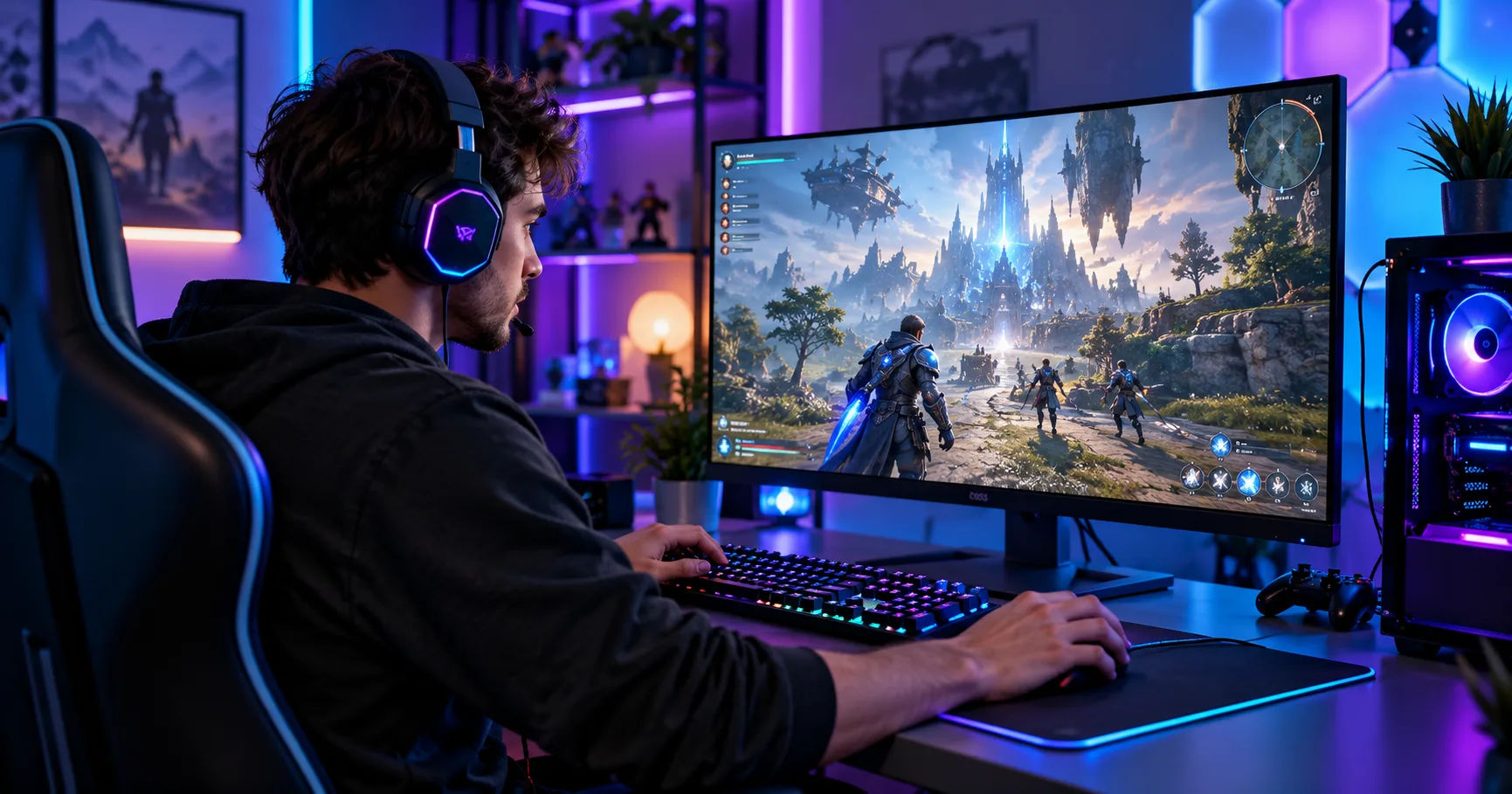 Understanding the risks of online gaming is essential for making responsible choices. Players need to recognize how gaming habits can influence their physical health, emotional well-being, relationships, education, and personal security. Parents and teachers also have an important role in helping young people develop healthy digital habits.
The good news is that most of these risks can be reduced through awareness, sensible time limits, privacy settings, and responsible behavior. By learning about the potential dangers and taking practical precautions, players can enjoy games while protecting themselves and their personal information.
1. Physical Health Problems
One of the most common risks of extended gaming is its effect on physical health. Playing for long periods often means sitting in the same position, looking at a screen, and moving very little. Without regular breaks, these habits can gradually cause discomfort and other health concerns.
Eye Strain and Headaches
Looking at a screen for several hours may cause tired eyes, dryness, blurred vision, and headaches. Players sometimes forget to blink regularly when concentrating on a difficult level or competitive match.
Poor lighting, screen glare, and sitting too close to a monitor can make discomfort worse. Taking regular breaks, adjusting screen brightness, and maintaining a comfortable viewing distance can help reduce eye strain.
Neck, Back, and Wrist Pain
Gaming often involves repetitive movements and maintaining the same posture for extended periods. This can contribute to neck stiffness, back pain, and discomfort in the hands or wrists.
Players should use a supportive chair, position their screens near eye level, and keep their wrists in a comfortable position. Standing up, stretching, and walking between matches can also help.
Reduced Physical Activity
Spending too much time playing can replace exercise, outdoor activities, and other healthy habits. Over time, a sedentary routine may contribute to poor fitness and other health problems.
Players should balance screen time with activities such as walking, cycling, swimming, or playing outdoor sports. Regular movement supports both physical health and concentration.
2. Mental Health and Emotional Challenges
Although games can provide relaxation and enjoyment, excessive play may sometimes contribute to emotional difficulties. The effect depends on the individual, the type of game, the player's circumstances, and how gaming fits into everyday life.
Stress and Frustration
Competitive games can create pressure to win, improve rankings, or avoid disappointing teammates. Losing repeatedly, encountering unfair opponents, or experiencing technical problems may lead to frustration.
Some players respond by continuing to play for hours because they want to recover lost progress. This can create a cycle in which gaming becomes more stressful instead of enjoyable.
Learning to accept losses, take breaks, and recognize when frustration is increasing can make the experience healthier.
Anxiety and Low Mood
Online competition and social comparison may affect how players feel about themselves. A person who constantly compares their performance with highly skilled players might develop unrealistic expectations.
Negative experiences, such as public criticism or exclusion from a gaming group, can also affect confidence. However, gaming does not automatically cause anxiety or depression, and many people enjoy it without experiencing these problems.
If gaming regularly leaves someone distressed or interferes with daily life, discussing the issue with a trusted person or qualified mental health professional may help.
Gaming Addiction and Loss of Control
Some players struggle to control how much time they spend playing. They may repeatedly attempt to reduce their gaming hours but return to excessive play.
Warning signs include neglecting responsibilities, losing interest in other activities, continuing despite serious consequences, and being unable to stop when necessary.
The World Health Organization recognizes gaming disorder as a condition involving impaired control, increasing priority given to gaming, and continued gaming despite negative consequences. Significant impairment in personal, family, social, educational, or occupational functioning is important when assessing the condition.
Enjoying games frequently does not, by itself, mean someone has a disorder. The key concern is persistent loss of control and meaningful harm to everyday life.
3. Sleep Disruption and Fatigue
Sleep is essential for memory, learning, emotional regulation, and physical recovery. Gaming late at night can interfere with a healthy sleep routine, particularly when players become absorbed in matches that last longer than expected.
Staying Awake Too Late
Many multiplayer games encourage players to complete another round, finish a mission, or remain online with friends. As a result, players may postpone bedtime repeatedly.
Missing sleep can make it harder to concentrate at school or work, remember information, manage emotions, and perform everyday tasks.
Screen Exposure and Mental Stimulation
Bright screens and exciting gameplay may make it harder for some people to relax before sleeping. Competitive matches can also leave players thinking about mistakes, unfinished tasks, or upcoming challenges.
A practical solution is to establish a regular bedtime and stop playing well before it. Keeping devices away from the bed and using a calming nighttime routine can support better sleep.
Teenagers especially need consistent, sufficient sleep to support learning, development, and overall health.
4. Cyberbullying and Toxic Behavior
Many games allow players to communicate through voice chat, text messages, and public discussion channels. These features make teamwork possible, but they can also expose players to harassment and abusive behavior.
Insults and Harassment
Some players use offensive language, threaten others, make personal attacks, or repeatedly target someone they dislike. New players and younger users may find these experiences particularly upsetting.
Cyberbullying can affect confidence, mood, and willingness to participate in online communities. Repeated harassment should not be dismissed as a normal part of gaming.
Players can mute abusive users, block accounts, save relevant evidence, and report violations through the game's moderation system.
Discrimination and Exclusion
Toxic behavior may include insults based on a person's gender, nationality, appearance, disability, or background. Some players are excluded from teams or mocked because of their skill level.
A healthy gaming community should encourage respectful communication and fair participation. Players should avoid retaliating with further abuse and should seek help when harassment becomes threatening or persistent.
Parents can also help younger players understand that they do not need to tolerate abusive behavior to remain part of a group.
5. Online Predators and Unsafe Interactions
One serious risk involves interacting with strangers whose identities and intentions are unknown. Many games bring together people of different ages and backgrounds, making it difficult to know who is actually behind a profile.
Fake Identities
An individual may use a false name, an altered photograph, or a misleading age to gain another player's trust. Friendly conversations can sometimes be used to encourage someone to share private details or move communication to another platform.
Players should avoid assuming that someone is trustworthy simply because they have played together for a long time.
Manipulation and Grooming
In some cases, an adult may gradually build a relationship with a younger player to manipulate them. Warning signs include requests for secrecy, inappropriate personal questions, pressure to send private photographs, or demands to move conversations into private channels.
Children should be encouraged to tell a trusted adult when an interaction feels uncomfortable. They should never be blamed for reporting suspicious behavior.
Avoid sharing your home address, school name, daily routine, passwords, or other identifying information with strangers. Never agree to meet an online contact in person without appropriate safeguards and trusted adult involvement when applicable.
6. Privacy and Cybersecurity Risks
Gaming accounts can contain valuable information, including usernames, email addresses, friends lists, purchase histories, and payment details. If an account is compromised, players may lose access to their progress, digital purchases, or personal information.
Phishing and Fake Links
Scammers may send messages promising free rewards, rare items, special skins, or discounted currency. These messages sometimes direct players to imitation websites designed to steal login credentials.
Players should avoid clicking suspicious links and should access official game websites directly. Genuine giveaways and promotions should be checked through trusted, official sources.
Account Theft and Password Security
Using the same password across multiple websites increases the consequences of a security breach. If one service is compromised, attackers may try those credentials on gaming accounts.
Use a unique, strong password for each important account. Enable two-factor authentication wherever available, protect recovery email accounts, and never share verification codes.
Be cautious about unofficial downloads, game modifications, and third-party applications. Some may contain malware or request unnecessary access to personal information.
Protecting Personal Information
Public usernames, voice chats, screenshots, and livestreams can reveal more information than players realize. A photograph or casual conversation might disclose a school, neighborhood, or regular schedule.
Review privacy settings, limit who can send messages, and avoid displaying identifying details. These steps can reduce the chance of unwanted contact and account-related problems.
7. Financial Risks and In-Game Spending
Many modern games are free to download but offer optional purchases. These may include cosmetic items, character upgrades, downloadable content, subscriptions, and virtual currency.
Although such purchases can be legitimate, they can also create financial problems when players spend without careful planning.
Impulse Purchases
Limited-time offers and special events can encourage players to buy items quickly. A player may feel pressured to purchase something before it disappears, even when the item is unnecessary.
Small purchases can accumulate into a substantial amount over weeks or months. Players should set a budget and review transaction histories regularly.
Loot Boxes and Random Rewards
Some games sell randomized digital rewards, including loot boxes. Players may spend money repeatedly while trying to obtain a particular item.
These systems can encourage repeated spending because the desired reward is uncertain. Their design and legal treatment vary across games and countries.
Before spending money, players should understand the purchase terms and consider whether the reward is worth the cost. Parents can use spending limits and purchase approvals to help protect younger players.
Scams Involving Virtual Items
Scammers may offer fake trades, account upgrades, rare collectibles, or unofficial currency deals. Some request payment in advance and then disappear without delivering anything.
Use official marketplaces and follow the game's trading rules. Never share passwords or verification codes to complete a transaction.
8. Academic and Work Performance
Gaming can be an enjoyable hobby, but excessive play may interfere with responsibilities. Students may struggle when matches, tournaments, or late-night sessions take priority over studying.
Reduced Concentration
Switching frequently between schoolwork and games can make it harder to focus on demanding tasks. Notifications and thoughts about upcoming matches may interrupt study sessions.
Creating a dedicated study schedule and disabling gaming notifications during work can improve concentration.
Missed Deadlines and Lower Performance
When gaming consumes time intended for assignments, revision, or sleep, academic performance may suffer. Similar problems can affect employees who play during working hours or remain tired after late-night sessions.
A balanced routine gives priority to essential responsibilities. Completing important tasks before playing can reduce stress and make leisure time more enjoyable.
9. Social Isolation and Relationship Problems
Games can help people connect with friends, meet teammates, and participate in communities. However, problems may develop when virtual interaction replaces most face-to-face contact.
Neglecting Family and Friends
Players who spend nearly all their free time gaming may miss family activities, social gatherings, and opportunities to build relationships offline.
Disagreements can occur when family members feel ignored or when gaming repeatedly interrupts shared responsibilities.
Setting aside time for meals, conversations, hobbies, and social activities can help maintain healthy relationships.
Unrealistic Social Expectations
Some players become accustomed to immediate responses, constant availability, or the structured rewards provided by games. Real-life relationships require patience, compromise, and effort, which may feel less predictable.
The solution is not necessarily to stop playing. Instead, players should maintain different interests, develop offline friendships, and make time for meaningful personal interactions.
10. Exposure to Inappropriate Content
Not every game or gaming community is suitable for every age group. Some games contain graphic violence, strong language, sexual references, gambling-like mechanics, or mature themes.
Age-Inappropriate Games
Children may encounter content that exceeds their emotional maturity or understanding. Repeated exposure does not affect everyone in the same way, but age ratings provide useful guidance for families.
Parents should review content descriptions, gameplay footage, and age classifications before choosing games for younger children.
User-Generated Content
Even games designed for children may include player-created messages, custom levels, voice chat, or community spaces with inappropriate material.
Parental controls, chat restrictions, and careful supervision can reduce exposure. It is also important to teach children how to leave uncomfortable situations and report inappropriate content.
11. How to Reduce the Risks of Online Gaming
Understanding potential dangers is only the first step. Practical habits can make online gaming Z555 apk safer without removing the enjoyment it provides.
Set Healthy Time Limits
Decide how much time to spend playing each day and include time for sleep, exercise, education, work, and relationships. Use alarms or built-in screen-time controls when necessary.
Rather than focusing only on a fixed number of hours, consider whether gaming is interfering with responsibilities, health, or personal goals.
Strengthen Account Security
Use unique passwords, enable two-factor authentication, and keep devices and games updated. Download software only from reputable sources.
Avoid suspicious offers, unofficial account-sharing services, and requests for sensitive information.
Use Privacy and Parental Controls
Review communication settings and restrict contact from unknown users when appropriate. Parents can configure age filters, spending limits, playtime restrictions, and purchase approvals.
These controls work best when combined with open conversations about safety, respect, and responsible decision-making.
Take Regular Breaks
Pause between matches to stretch, drink water, rest your eyes, and move around. Keep a comfortable posture and avoid allowing gaming to replace physical activity.
If a game becomes frustrating, step away rather than continuing to play out of anger.
Recognize Warning Signs Early
Pay attention when gaming regularly affects sleep, school performance, finances, mood, or relationships. Repeated unsuccessful attempts to reduce playtime may indicate that additional support is needed.
Talk with a trusted family member, school counselor, or healthcare professional if these difficulties persist. Seeking help early can make it easier to restore a healthier balance.
12. The Role of Parents, Schools, and Game Developers
Keeping gaming environments safe requires cooperation between players, families, educators, and companies.
Parents and Guardians
Parents should understand the games their children play, discuss online interactions, and establish reasonable household rules. Listening without immediately blaming a child makes it easier for them to report bullying, suspicious messages, or uncomfortable experiences.
Regular conversations are often more effective than relying entirely on restrictions.
Schools and Educators
Schools can teach digital literacy, privacy protection, respectful online communication, and critical thinking about scams. Students should understand that harmful online behavior can have real consequences.
Education also helps young people recognize when entertainment is interfering with learning or well-being.
Game Developers
Developers can support safer communities through effective moderation, accessible reporting systems, privacy controls, secure payment processes, and transparent purchase policies.
They should also make safety features easy to understand and use. Although players must make responsible choices, companies have an important role in reducing preventable risks.
Conclusion
Online gaming offers entertainment, competition, creativity, and opportunities to connect with people around the world. However, its benefits should be balanced against possible risks to physical health, mental well-being, sleep, personal relationships, education, privacy, and finances.
The greatest concerns often arise when gaming becomes excessive, players interact with unsafe individuals, or personal information and spending habits are not properly protected. Cyberbullying, account theft, inappropriate content, and manipulative purchasing systems are additional challenges that deserve attention.
Fortunately, these problems can often be reduced through practical measures. Players can establish healthy time limits, take regular breaks, protect their accounts, use privacy settings, avoid suspicious offers, and treat other users respectfully. Parents can support children through guidance and supervision, while schools and developers can promote digital responsibility and safer gaming environments.
It is also important to recognize when gaming stops being enjoyable or begins to interfere with everyday life. Persistent sleep problems, declining performance, financial difficulties, or a loss of control over playing time should not be ignored. Seeking support when needed is a responsible step toward improving well-being.
Ultimately, the goal is not to treat every game as dangerous. It is to understand the risks, make informed decisions, and maintain a healthy balance between virtual entertainment and real-world responsibilities. With awareness, moderation, and appropriate safety measures, players can enjoy gaming while reducing the likelihood of harmful experiences.
Author
