- 0
- 2,600 words
Basketball jerseys are designed to handle intense games, frequent movement, and plenty of sweat. However, after a long practice or competitive match, they need proper cleaning to stay fresh, comfortable, and ready for the next game. Many players and coaches wonder whether their reversible uniforms can be washed without damaging their colors, numbers, logos, or fabric. 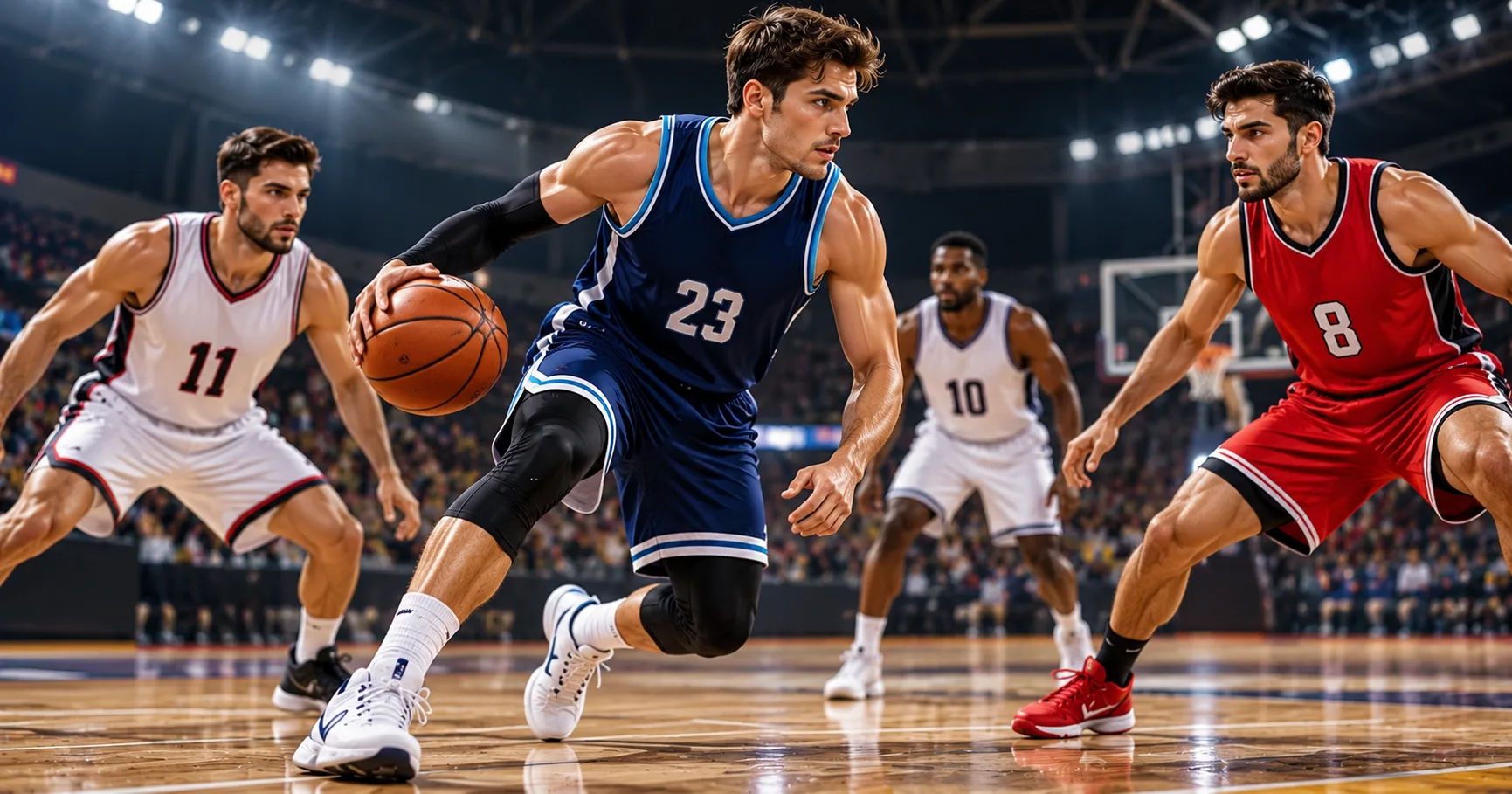 The good news is that most basketball jerseys can be washed at home when the correct cleaning methods are followed. Understanding the fabric, choosing the right detergent, and using suitable washing temperatures can help preserve the quality of your uniform for a long time.
Custom Reversible V-Neck Basketball Jerseys are especially useful for teams because they offer two color options in one garment. This practical design makes them popular for school teams, recreational leagues, training sessions, and competitive basketball programs. However, because each jersey has two wearable sides, both surfaces need proper care during washing and drying.
In this comprehensive guide, you will learn how to wash reversible basketball jerseys safely, remove sweat and stubborn stains, protect printed designs, avoid common laundry mistakes, and maintain your uniforms throughout the basketball season.
Why Proper Washing Matters for Basketball Jerseys
Basketball is a physically demanding sport. Players run, jump, defend, and compete at a high intensity, which naturally produces sweat. During games, jerseys also collect body oils, dust, deodorant residue, and bacteria that contribute to unpleasant odors.
Washing uniforms regularly helps remove these unwanted substances and keeps the fabric comfortable against the skin. It also prevents sweat stains from becoming permanent and helps maintain the fresh appearance of team uniforms.
Proper cleaning is particularly important for reversible jerseys. Since players can wear either side, both surfaces are exposed to sweat, friction, and contact with other equipment.
Regular washing also protects your investment. Team uniforms can be expensive to replace, especially when they include custom colors, player names, numbers, and team logos. A consistent care routine can help extend their useful life.
Can Custom Reversible V-Neck Basketball Jerseys Be Machine Washed?
Yes, most Custom Reversible V-Neck Basketball Jerseys can be machine washed. However, you should always check the manufacturer's care label before putting them in the washing machine.
Many basketball jerseys are made from polyester or polyester blends. These synthetic materials are popular because they are lightweight, breathable, quick-drying, and suitable for athletic performance.
Polyester generally handles machine washing well when the water temperature and washing cycle are appropriate. Nevertheless, excessive heat, harsh chemicals, and rough washing conditions may damage the fabric or decorative details.
Check the Care Label First
Before washing your jersey, look for the manufacturer's instructions. The label may specify the recommended water temperature, whether machine washing is permitted, and which drying methods are suitable.
Some uniforms feature special finishes, heat-applied numbers, embroidered logos, or other decorative elements that require additional care.
If the label recommends hand washing, follow that advice instead of assuming that every jersey can withstand machine washing.
Turn the Jersey Inside Out
Turning your jersey inside out before washing is a simple but effective precaution. It reduces direct friction against printed numbers, names, logos, and other visible details.
For reversible designs, this also helps protect the exterior surfaces as the garment moves around inside the washing machine.
Although turning a jersey inside out does not eliminate every risk, it can help reduce unnecessary wear during regular cleaning.
Step-by-Step Guide to Washing Reversible Basketball Jerseys
Following a consistent washing routine helps keep your uniforms clean without placing unnecessary stress on the material.
Step 1: Separate Jerseys From Other Laundry
Begin by separating basketball jerseys from heavy clothing, towels, jeans, and garments with zippers or rough fasteners.
Heavy items can create additional friction during the washing cycle. Zippers and other hard components may snag lightweight sports fabric.
Whenever possible, wash jerseys with similar lightweight athletic clothing. Separate heavily soiled uniforms from relatively clean garments to avoid transferring dirt.
It is also sensible to separate uniforms according to their care requirements and colors, especially when washing new garments that might release excess dye.
Step 2: Inspect Both Sides for Stains
Examine the front and back of the jersey before washing it. Pay attention to the collar, underarms, lower hem, and areas around the numbers.
Because reversible uniforms have two usable surfaces, inspect both sides carefully. A stain that is easy to overlook on one side may remain noticeable when the garment is reversed.
Treat visible stains before placing the jersey in the washing machine. Pre-treating helps loosen dirt and reduces the need for aggressive washing.
Step 3: Use a Mild Laundry Detergent
Choose a mild liquid detergent designed for everyday clothing or sportswear. A small amount is generally sufficient for a normal load, although you should follow the detergent manufacturer's dosage instructions.
Avoid using excessive detergent. Too much can leave residue in synthetic fibers, making fabric feel less comfortable and potentially contributing to lingering odors.
Strong bleach and harsh cleaning chemicals should generally be avoided unless the garment's care label explicitly permits them.
For colored jerseys, a detergent suitable for colored fabrics is often a sensible choice because it helps maintain their appearance.
Step 4: Select a Cold or Cool Water Cycle
Cold or cool water is usually the safest starting point for washing basketball jerseys. It can help limit color fading, reduce the risk of heat-related damage, and protect many printed designs.
Choose a gentle or delicate cycle when possible. A shorter, less aggressive wash may provide sufficient cleaning while reducing unnecessary friction.
Use the temperature recommended on the care label if it differs from this general guidance.
Step 5: Remove the Jerseys Promptly
When the washing cycle finishes, remove the jerseys rather than leaving them in the machine for several hours.
Damp clothing left in a closed washing machine can develop unpleasant odors. Prompt removal also makes it easier to hang the garments properly for drying.
Gently reshape each jersey and check for any stains that may need additional treatment before drying.
How to Wash Custom Reversible V-Neck Basketball Jerseys by Hand
Hand washing is a useful alternative when a jersey has delicate decorations, the care label recommends gentle treatment, or you want to clean only one or two garments.
It gives you greater control over the amount of friction applied to the fabric.
Prepare a Gentle Cleaning Solution
Fill a clean basin with cool water and add a small amount of mild detergent. Mix the solution until the detergent is evenly distributed.
Place the jersey in the water and allow it to become fully saturated. Avoid using hot water, especially if the uniform contains printed graphics or heat-applied numbers.
Clean the Fabric Carefully
Gently move the jersey through the water to loosen sweat and dirt. Pay additional attention to the collar, underarms, and other areas that collect perspiration.
Do not scrub aggressively, twist the garment, or pull forcefully on its seams. These actions may stretch the material or damage decorative details.
Remember to clean both sides because either surface may come into direct contact with the player's body.
Rinse and Remove Excess Water
Drain the soapy water and rinse the jersey with clean, cool water until the detergent is removed.
Press the garment gently between your hands to release excess water. Never wring or twist it forcefully.
You can also place the jersey between clean towels and press lightly to absorb additional moisture before air-drying.
How to Remove Sweat Stains and Unpleasant Odors
Sweat and odor are common problems with basketball uniforms, particularly during tournaments, double practice sessions, and hot-weather games.
Although polyester dries relatively quickly, body oils and detergent residue can contribute to persistent smells if the garments are not cleaned properly.
Pre-Treat Sweat Stains
Apply a small amount of mild liquid detergent to the affected area and gently work it into the fabric with your fingertips.
Allow it to sit for several minutes, following the product instructions, before washing the jersey.
Avoid using stiff brushes because they may damage lightweight fibers or printed designs.
For stubborn stains, test any stain-removal product on an inconspicuous area first. Never mix different cleaning chemicals, especially bleach with ammonia or acidic products.
Deal With Lingering Odors
If a jersey still smells unpleasant after washing, review your laundry routine before reaching for stronger chemicals.
Make sure you use an appropriate detergent quantity, avoid overcrowding the washing machine, and remove garments promptly after the cycle ends.
An occasional sportswear-compatible laundry treatment may help with persistent odors, provided the garment label permits its use.
Allow the jersey to dry completely before storing it. Putting away damp sportswear can encourage musty smells.
How to Protect Numbers, Logos, and Team Colors
The appearance of a basketball uniform matters to players, coaches, and teams. Custom graphics and matching colors create a professional look, so protecting these details should be part of every washing routine.
Avoid Harsh Chemicals
Chlorine bleach can damage many colored fabrics and may weaken certain fibers or decorative finishes.
Unless the manufacturer specifically approves it, avoid chlorine bleach and aggressive stain removers.
Fabric softeners should also be used cautiously. Some athletic fabrics are designed to move moisture away from the body, and softener residue may interfere with that performance.
A suitable detergent and a careful washing cycle are usually better choices for routine cleaning.
Protect Heat-Applied Graphics
Some jersey numbers, names, and logos are attached using heat-transfer materials. Excessive heat can cause certain applications to crack, peel, or separate from the fabric.
Turning the jersey inside out and using cool water can help reduce stress on these details.
Inspect graphics occasionally for loose edges or early signs of peeling. Addressing minor problems promptly may prevent further deterioration.
Prevent Color Transfer
Reversible jerseys often combine two contrasting colors. While this design is practical, it is important to follow the manufacturer's washing instructions to protect both surfaces.
Wash new uniforms separately or with similar colors until you are confident that their dyes are stable.
Avoid leaving wet jerseys pressed against other garments for extended periods, particularly if the fabrics are brightly colored.
What Is the Best Way to Dry Reversible Basketball Jerseys?
Drying is just as important as washing. Even when a jersey has been cleaned correctly, excessive heat can damage certain synthetic fabrics and decorative details.
Air-Drying Is Usually the Best Option
Air-drying is generally a reliable method for maintaining basketball jerseys.
After washing, gently reshape the garment and hang it on a suitable hanger or lay it flat in a well-ventilated area.
Allow air to circulate around the jersey so that both sides can dry thoroughly. Avoid placing it in a cramped space where moisture becomes trapped.
Direct sunlight can gradually affect some dyes, so a shaded, ventilated location is often preferable for colored uniforms.
Can You Use a Dryer?
A tumble dryer may be permitted for some jerseys, but you should check the care label first.
If machine drying is allowed, use a low-heat setting and remove the jersey promptly. High temperatures can damage certain polyester fabrics, shrink blended materials, or affect heat-applied graphics.
When you are uncertain about the manufacturer's recommendations, air-drying is the more cautious option.
Make Sure Both Sides Are Completely Dry
Because reversible uniforms have two wearable surfaces, check that the inside and outside are both dry before folding or storing them.
Pay attention to thicker seams, collars, and areas where fabric layers overlap.
Proper drying helps prevent musty odors and keeps uniforms ready for the next training session.
Common Washing Mistakes to Avoid
Even durable athletic clothing can wear out faster when it is exposed to poor laundry practices. Avoiding a few common mistakes can make a meaningful difference.
Using hot water: High temperatures may affect certain synthetic fabrics, dyes, and decorative applications. Cool water is generally preferable unless the care label says otherwise.
Using too much detergent: Excess detergent may leave residue and contribute to odor problems. Measure it according to the product instructions.
Washing with rough garments: Jeans, towels, and clothing with exposed zippers can create additional friction and potentially snag the jersey.
Leaving sweaty uniforms in a sports bag: Trapped moisture encourages unpleasant odors. Remove jerseys from bags as soon as possible after games and practices.
Ironing directly over numbers: Heat can damage some printed or transferred graphics. Avoid ironing unless the manufacturer permits it and provides suitable temperature instructions.
Storing damp clothing: Moisture trapped in folded jerseys can create musty smells. Always allow uniforms to dry completely.
Ignoring small areas of damage: Loose stitching, peeling numbers, and tiny snags can worsen with repeated use. Inspect uniforms regularly and arrange repairs when necessary.
How Often Should Basketball Jerseys Be Washed?
In most situations, basketball jerseys should be washed after every game or practice session in which they become sweaty.
This is especially important when uniforms are worn directly against the skin. Regular cleaning removes sweat, body oils, and accumulated dirt before they become more difficult to eliminate.
For teams that practice several times a week, establishing a reliable laundry schedule helps prevent odors and ensures that every player has a clean uniform available.
If a jersey has been worn only briefly and remains clean, its care needs may differ. However, garments exposed to significant perspiration should not be repeatedly worn without washing.
Coaches and equipment managers can simplify the process by providing separate laundry bags, labeling uniforms, and reminding players to remove their clothing from sports bags promptly.
Tips for Maintaining Your Jerseys Throughout the Season
Good laundry habits are only one part of long-term uniform care. Proper handling between games also helps protect the garment's fabric and appearance.
First, give jerseys enough time to dry after each use. Never leave sweaty uniforms crumpled in a locker or sealed sports bag for an extended period.
Second, store clean jerseys in a dry, well-ventilated cupboard or equipment area. Fold them neatly or hang them up without stretching the shoulders.
Third, inspect seams, hems, and graphics every few weeks. Small repairs are often easier to manage before the damage becomes extensive.
Fourth, follow the manufacturer's instructions whenever you introduce a new cleaning product or washing method.
Finally, create a consistent routine for the entire team. When players understand how to care for their uniforms, coaches and equipment managers can spend less time replacing damaged clothing and more time focusing on basketball.
Conclusion
Yes, most reversible basketball jerseys can be washed safely, provided you use the correct cleaning methods and follow the manufacturer's care instructions. Regular washing removes sweat, dirt, and body oils while helping maintain a comfortable, fresh uniform for every game and practice session.
The most effective approach is straightforward: inspect both sides for stains, turn the jersey inside out, use a suitable detergent, wash with cool water, and choose a gentle cycle when machine washing is permitted. For delicate garments, hand washing offers additional control over the cleaning process.
Drying deserves equal attention. Air-drying in a well-ventilated, shaded location is generally a reliable way to protect synthetic fabrics and printed details. Avoid excessive heat, harsh chemicals, and rough handling that could shorten the life of the uniform.
For teams that use Custom Reversible V-Neck Basketball Jerseys, consistent care is especially valuable because each garment provides two playing surfaces in one practical design. Cleaning both sides thoroughly, checking graphics regularly, and storing uniforms only when completely dry can help preserve their appearance throughout the season.
Ultimately, proper jersey care does not require expensive equipment or complicated products. A little attention after every game can help your uniforms remain clean, attractive, comfortable, and ready for their next use. By making these simple habits part of your team's routine, you can protect your investment and enjoy the benefits of well-maintained basketball uniforms for longer.
Author
